
A Guide from The Pines of Kabetogama
Plan your northern Minnesota birding trip with shoreline access, boreal forest habitat, dark skies, and guided on-water tour experiences.
Updated: March 18th, 2026
Voyageurs National Park is a birding paradise, teeming with diverse habitats that attract a multitude of birds. Whether you’re a seasoned birder or a family looking to connect with nature, this region offers something special. From the iconic calls of the common loon to the dazzling colors of migratory warblers, there’s no shortage of avian wonders to behold in this breathtaking landscape.
Birds Seen Near Voyageurs National Park at The Pines
Community sightings from authenticated resort guests.
Tap or click any bird card below to view photos, description, and range details.

Last identified: May 2, 2026
Bufflehead
Image source: Wikimedia (license varies)

Last identified: May 24, 2026
American Crow
Corvus brachyrhynchos
Image source: Wikimedia (license varies)

Last identified: May 23, 2026
Song Sparrow
Melospiza melodia
Image source: Wikimedia (license varies)

Last identified: July 1, 2025
Chipping Sparrow
Spizella passerina
Image source: Wikimedia (license varies)

Last identified: May 23, 2026
American Robin
Turdus migratorius
Image source: Wikimedia (license varies)

Last identified: July 1, 2025
Cedar Waxwing
Bombycilla cedrorum
Image source: Wikimedia (license varies)

Last identified: July 1, 2025
Purple Finch
Haemorhous purpureus
Image source: Wikimedia (license varies)
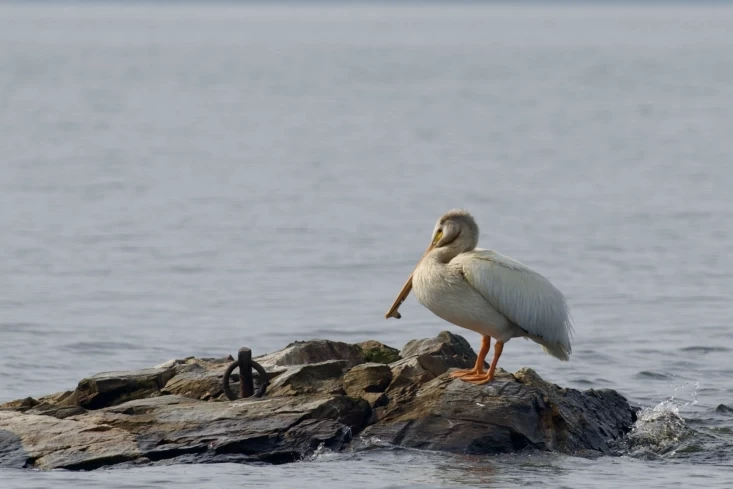
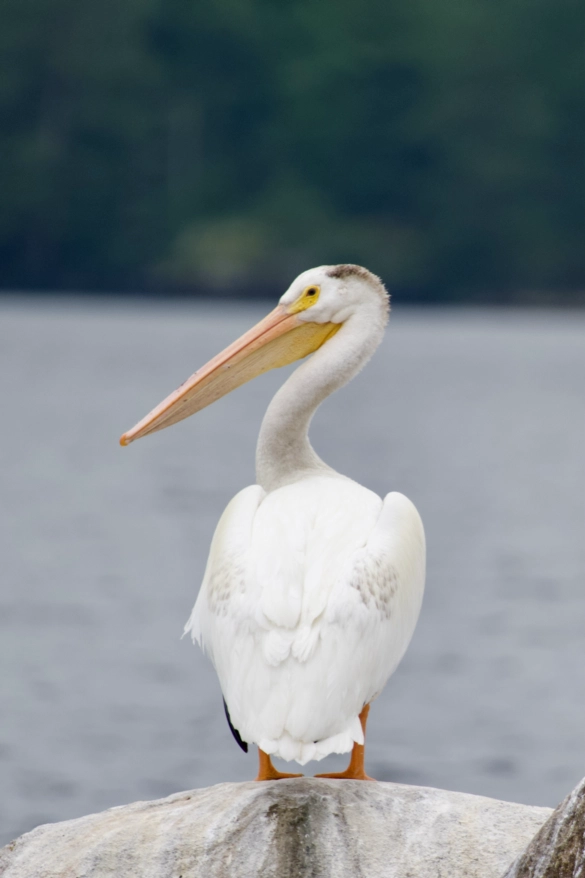
Last identified: August 30, 2025
American White Pelican
Pelecanus erythrorhynchos
Image source: Guest photo by Jason
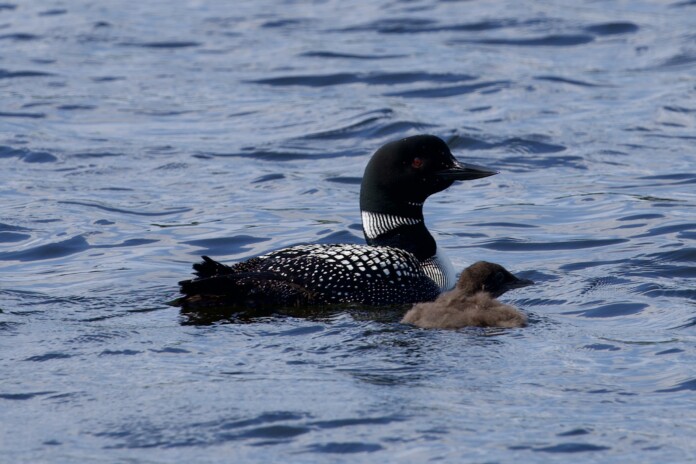
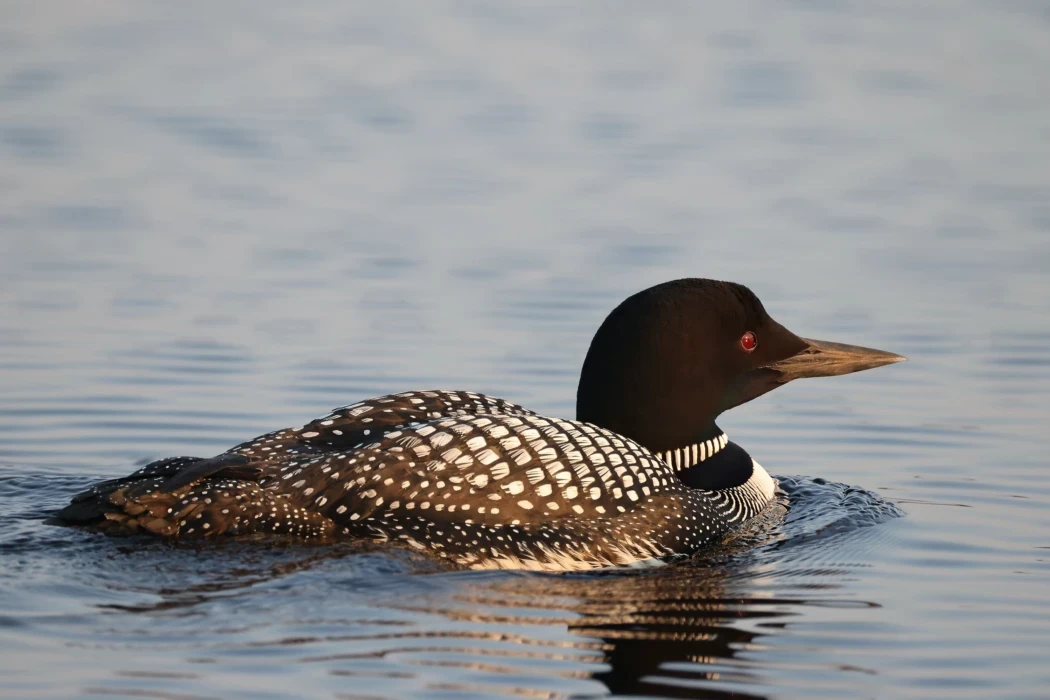
Last identified: August 30, 2025
Common Loon
Gavia immer
Image source: Guest photo by Jason

Last identified: May 23, 2026
Ovenbird
Seiurus aurocapilla
Image source: Wikimedia (license varies)

Last identified: June 8, 2026
Red-eyed Vireo
Vireo olivaceus
Image source: Wikimedia (license varies)

Last identified: July 1, 2025
Black-and-white Warbler
Mniotilta varia
Image source: Wikimedia (license varies)

Last identified: July 1, 2025
Canada Jay
Perisoreus canadensis
Image source: Wikimedia (license varies)

Last identified: July 1, 2025
Eastern Phoebe
Sayornis phoebe
Image source: Wikimedia (license varies)

Last identified: May 23, 2026
Cliff Swallow
Petrochelidon
Image source: Wikimedia (license varies)

Last identified: May 23, 2026
Red-breasted Nuthatch
Sitta canadensis
Image source: Wikimedia (license varies)

Last identified: May 23, 2026
Ruby-throated Hummingbird
Archilochus colubris
Image source: Wikimedia (license varies)

Last identified: July 1, 2025
American Goldfinch
Spinus tristis
Image source: Wikimedia (license varies)

Last identified: July 1, 2025
Chestnut-sided Warbler
Setophaga pensylvanica
Image source: Wikimedia (license varies)

Last identified: July 1, 2025
Common Yellowthroat
Geothlypis trichas
Image source: Wikimedia (license varies)

Last identified: July 1, 2025
Northern Flicker
Colaptes auratus
Image source: Wikimedia (license varies)

Last identified: July 1, 2025
Red-winged Blackbird
Agelaius phoeniceus
Image source: Wikimedia (license varies)

Last identified: July 1, 2025
Turkey Vulture
Cathartes aura
Image source: Wikimedia (license varies)

Last identified: July 1, 2025
White-throated Sparrow
Zonotrichia albicollis
Image source: Wikimedia (license varies)

Last identified: July 1, 2025
Yellow-rumped Warbler
Setophaga coronata
Image source: Wikimedia (license varies)
Last identified: August 30, 2025
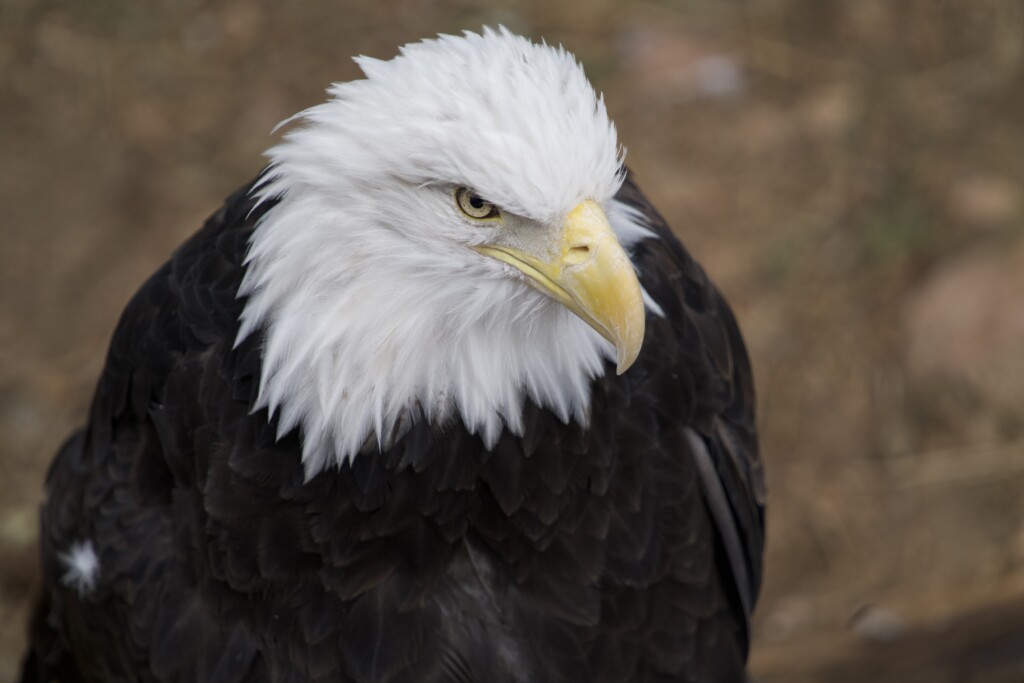
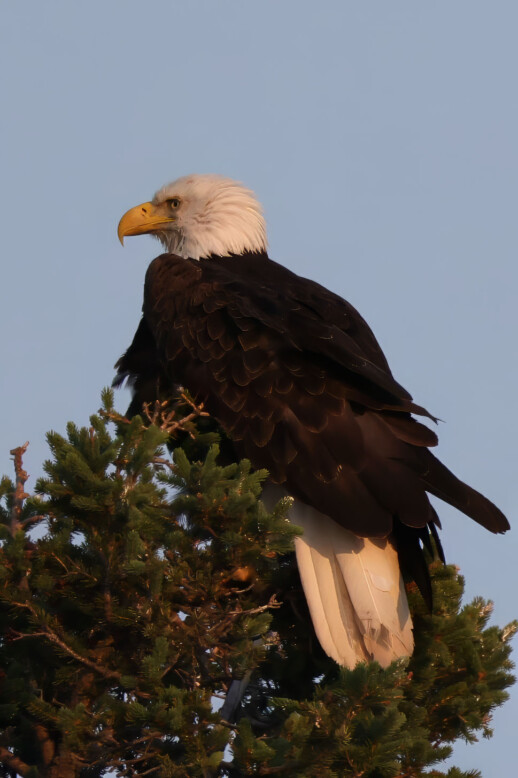
Bald Eagle
Haliaeetus leucocephalus
Image source: Guest photo by Jason

Last identified: May 24, 2026
Belted Kingfisher
Megaceryle alcyon
Image source: Wikimedia (license varies)
Last identified: August 30, 2025
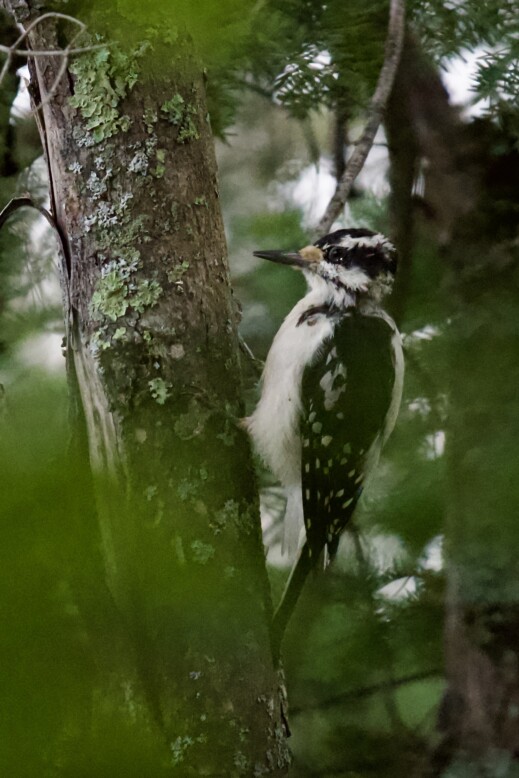
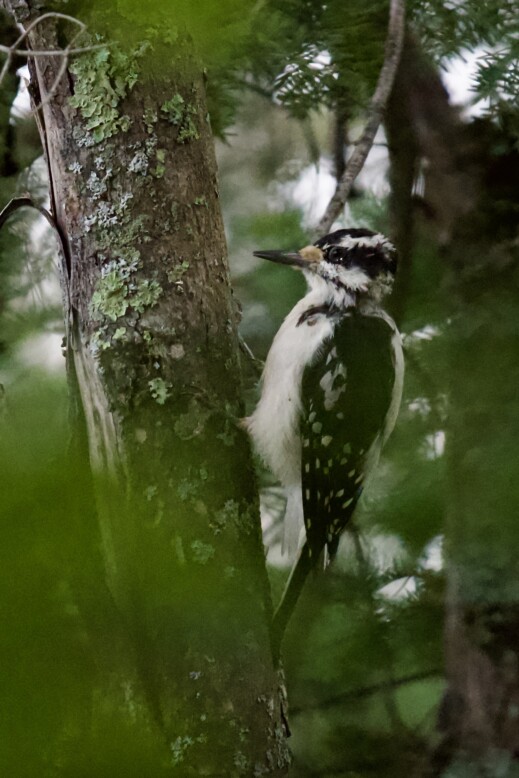
Hairy Woodpecker
Leuconotopicus villosus
Image source: Guest photo by Jason

Last identified: July 1, 2025
Indigo Bunting
Passerina cyanea
Image source: Wikimedia (license varies)

Last identified: May 23, 2026
Least Flycatcher
Empidonax minimus
Image source: Wikimedia (license varies)

Last identified: July 1, 2025
Mourning Warbler
Geothlypis philadelphia
Image source: Wikimedia (license varies)
Last identified: August 30, 2025
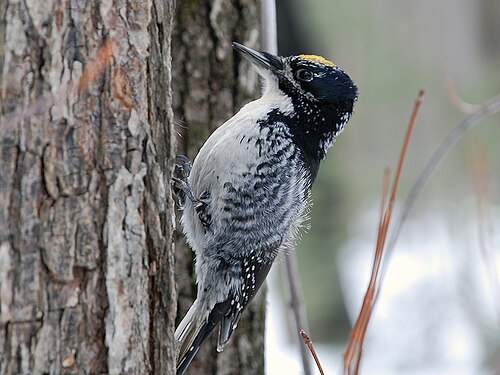
Three-toed Woodpecker
Image source: Bird Library upload
Last identified: March 3, 2026
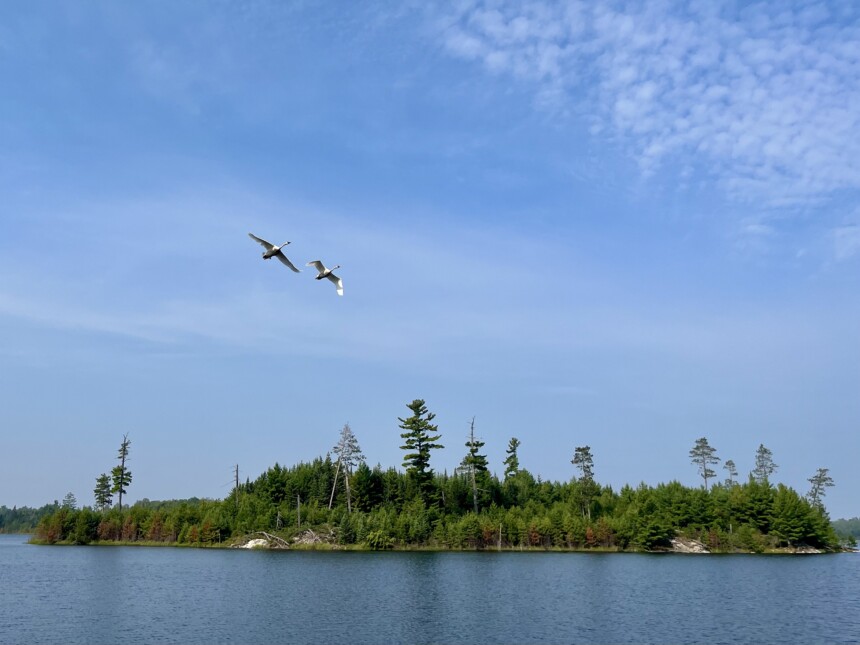
Trumpeter Swan
Cygnus buccinator
Image source: Guest photo by Jason

Last identified: July 1, 2025
Veery
Catharus fuscescens
Image source: Wikimedia (license varies)

Last identified: July 1, 2025
White-breasted Nuthatch
Sitta carolinensis
Image source: Wikimedia (license varies)

Last identified: July 1, 2025
Yellow Warbler
Setophaga petechia
Image source: Wikimedia (license varies)

Last identified: July 3, 2024
Black-capped Chickadee
Poecile atricapillus
Image source: Wikimedia (license varies)

Last identified: July 3, 2024
Scarlet Tanager
Piranga olivacea
Image source: Wikimedia (license varies)

Last identified: July 1, 2025
Alder Flycatcher
Empidonax alnorum
Image source: Wikimedia (license varies)

Last identified: July 1, 2025
American Bittern
Botaurus lentiginosus
Image source: Wikimedia (license varies)

Last identified: July 1, 2025
American Redstart
Setophaga ruticilla
Image source: Wikimedia (license varies)

Last identified: July 3, 2024
Bay-breasted Warbler
Setophaga castanea
Image source: Wikimedia (license varies)

Last identified: July 1, 2025
Black-backed Woodpecker
Picoides arcticus
Image source: Wikimedia (license varies)

Last identified: July 1, 2025
Black-billed Magpie
Pica hudsonia
Image source: Wikimedia (license varies)

Last identified: May 23, 2026
Black-throated Green Warbler
Setophaga virens
Image source: Wikimedia (license varies)
Last identified: July 1, 2025
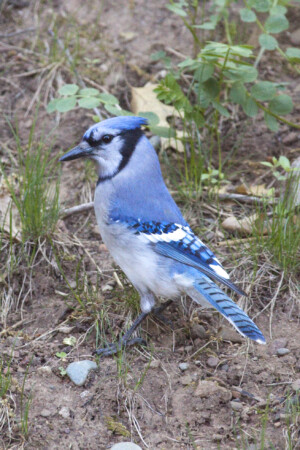
Blue Jay
Cyanocitta cristata
Image source: Guest photo by Jason

Last identified: May 23, 2026
Blue-headed Vireo
Vireo solitarius
Image source: Wikimedia (license varies)

Last identified: July 1, 2025
Broad-winged Hawk
Buteo platypterus
Image source: Wikimedia (license varies)

Last identified: May 31, 2026
Canada Goose
Image source: Wikimedia (license varies)

Last identified: July 1, 2025
Common Goldeneye
Bucephala clangula
Image source: Wikimedia (license varies)

Last identified: July 1, 2025
Common Grackle
Quiscalus quiscula
Image source: Wikimedia (license varies)
Last identified: August 30, 2025
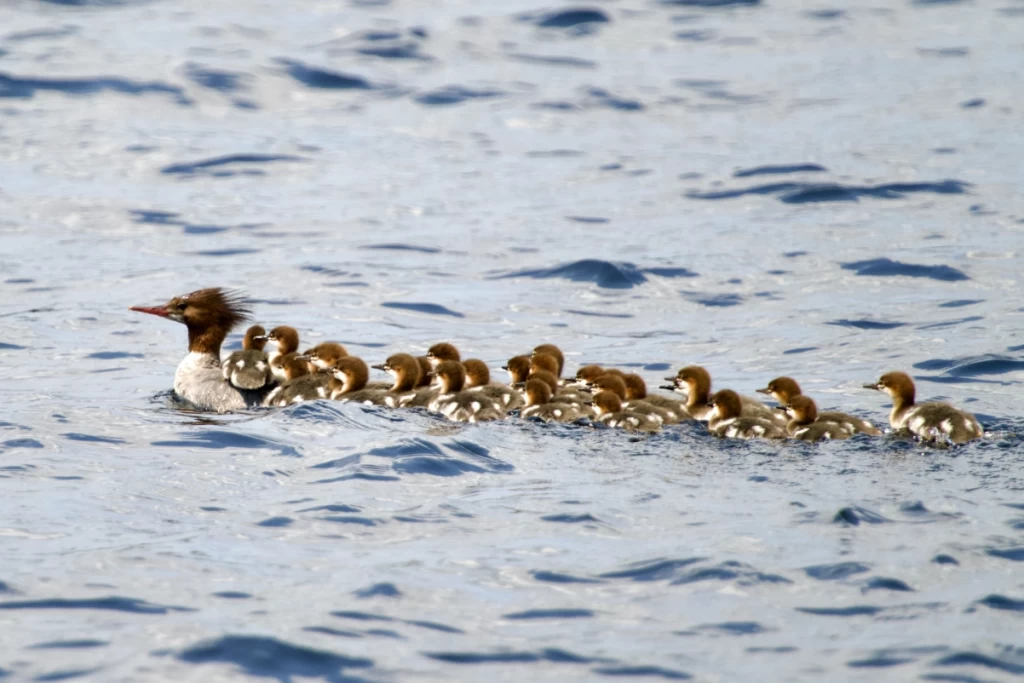
Common Merganser
Mergus merganser
Image source: Guest photo by Jason

Last identified: May 23, 2026
Double-crested Cormorant
Image source: Wikimedia (license varies)

Last identified: July 1, 2025
Eastern Kingbird
Tyrannus tyrannus
Image source: Wikimedia (license varies)

Last identified: July 1, 2025
Eastern Wood-Pewee
Contopus virens
Image source: Wikimedia (license varies)

Last identified: July 1, 2025
Gray Catbird
Dumetella carolinensis
Image source: Wikimedia (license varies)
Last identified: July 1, 2025
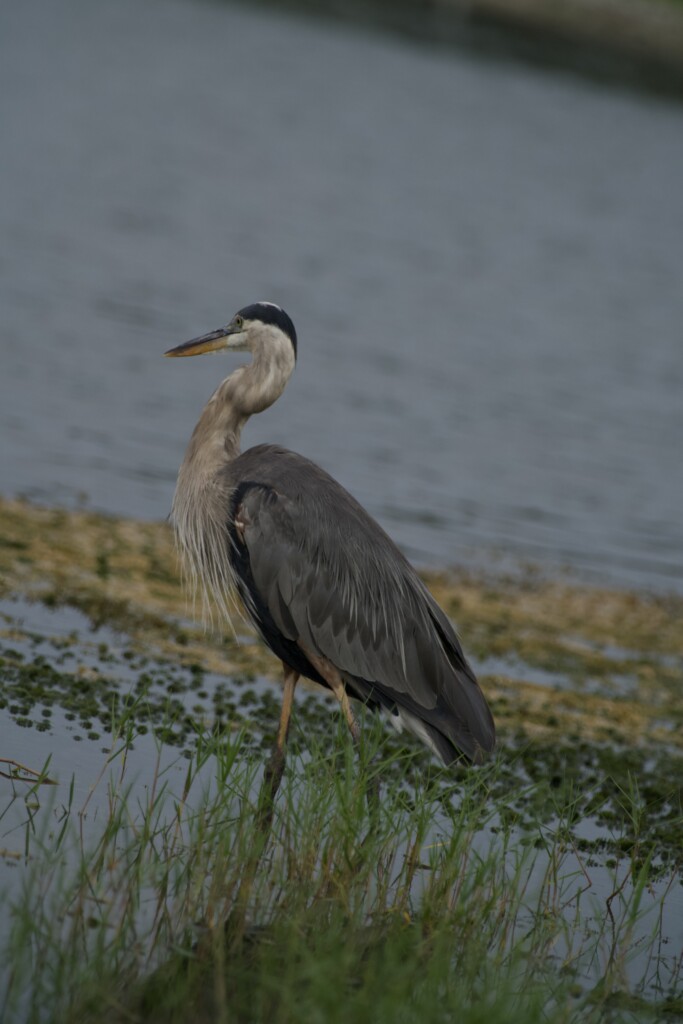
Great Blue Heron
Ardea herodias
Image source: Guest photo by Jason

Last identified: July 1, 2025
Great Egret
Ardea alba
Image source: Wikimedia (license varies)
Last identified: August 30, 2025
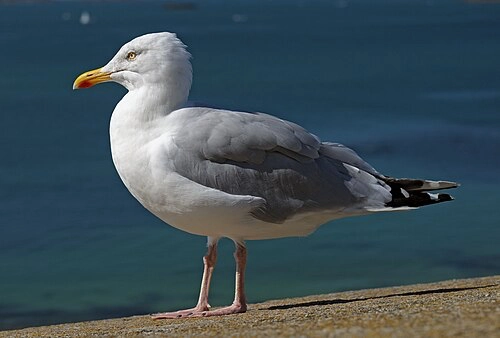
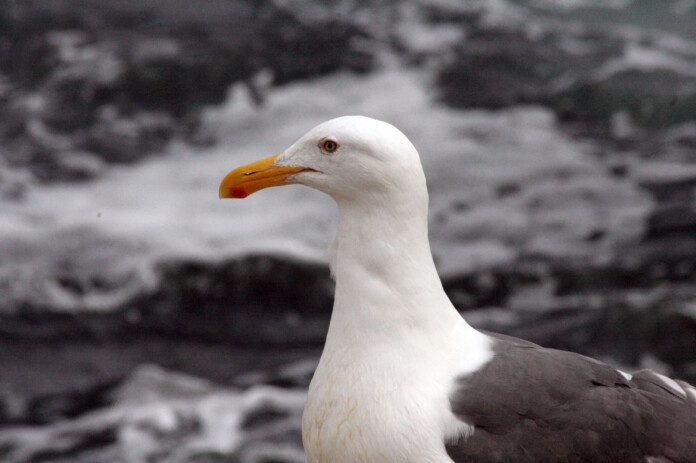
Gull Species
Image source: Wikimedia (license varies)

Last identified: July 1, 2025
Hermit Thrush
Catharus guttatus
Image source: Wikimedia (license varies)

Last identified: July 1, 2025
Lincoln's Sparrow
Melospiza lincolnii
Image source: Wikimedia (license varies)
Last identified: August 30, 2025
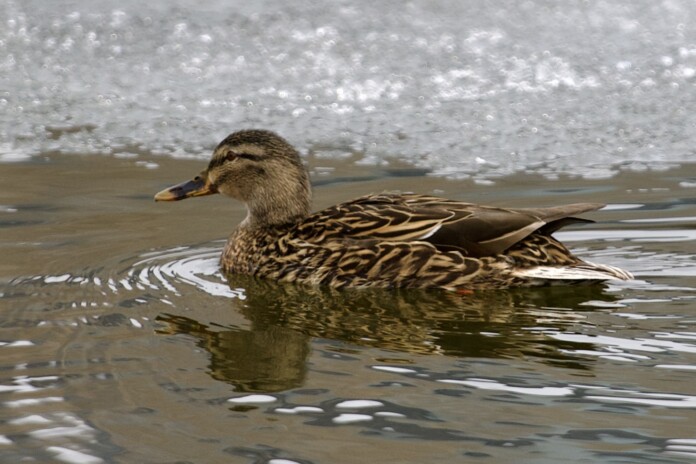
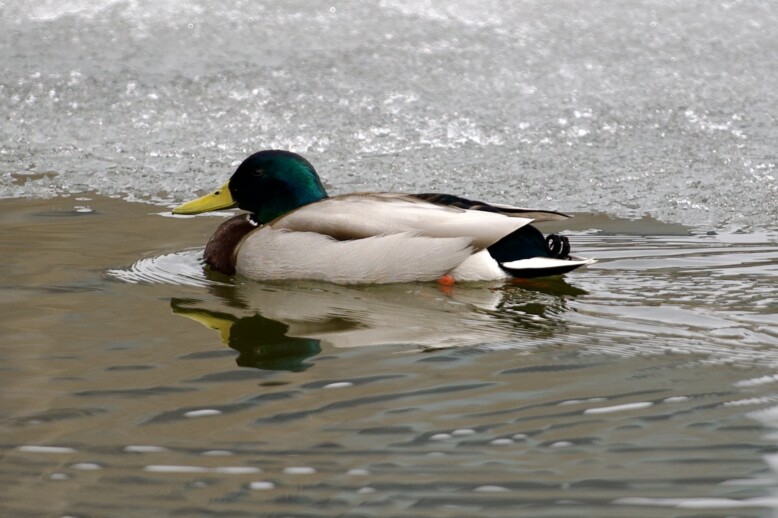
Mallard
Anas platyrhynchos
Image source: Guest photo by Jason

Last identified: July 3, 2024
Nashville Warbler
Leiothlypis ruficapilla
Image source: Wikimedia (license varies)

Last identified: July 1, 2025
Northern Parula
Setophaga americana
Image source: Wikimedia (license varies)

Last identified: May 22, 2026
Northern Saw-whet Owl
Image source: Wikimedia (license varies)

Last identified: July 1, 2025
Olive-sided Flycatcher
Contopus cooperi
Image source: Wikimedia (license varies)

Last identified: August 30, 2025
Osprey
Pandion haliaetus
Image source: Wikimedia (license varies)

Last identified: August 30, 2025
Pileated Woodpecker
Dryocopus pileatus
Image source: Wikimedia (license varies)

Last identified: May 23, 2026
Pine Warbler
Setophaga pinus
Image source: Wikimedia (license varies)

Last identified: July 1, 2025
Rose-breasted Grosbeak
Pheucticus ludovicianus
Image source: Wikimedia (license varies)

Last identified: May 23, 2026
Ruffed Grouse
Image source: Wikimedia (license varies)
Last identified: July 1, 2025
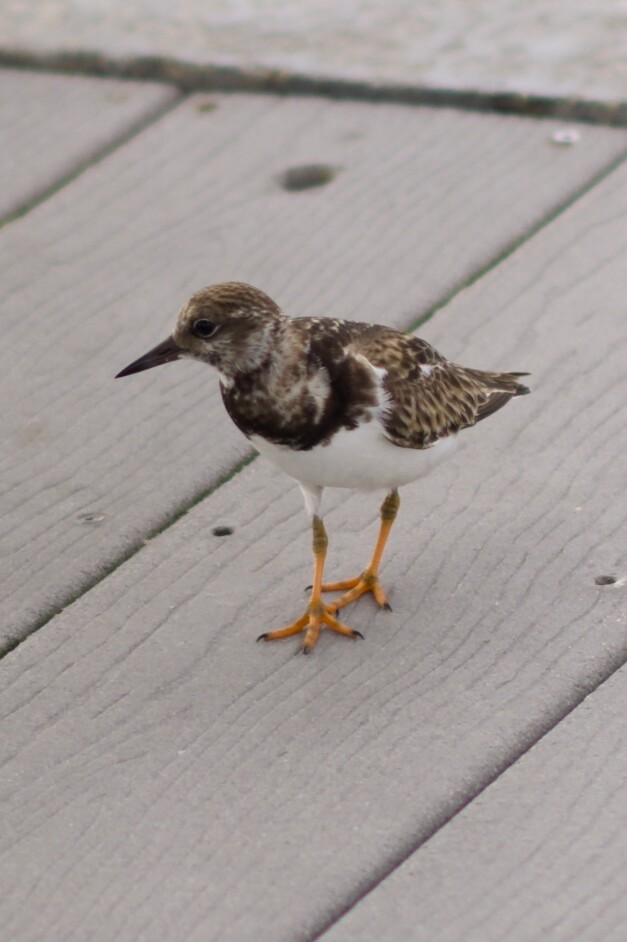
Solitary Sandpiper
Tringa solitaria
Image source: Guest photo by Jason

Last identified: August 30, 2025
Spruce Grouse
Canachites canadensis
Image source: Wikimedia (license varies)

Last identified: July 1, 2025
Swamp Sparrow
Melospiza georgiana
Image source: Wikimedia (license varies)

Last identified: July 3, 2024
Warbling Vireo
Vireo gilvus
Image source: Wikimedia (license varies)

Last identified: July 1, 2025
Wilson's Snipe
Gallinago delicata
Image source: Wikimedia (license varies)

Last identified: July 1, 2025
Yellow-bellied Sapsucker
Sphyrapicus varius
Image source: Wikimedia (license varies)

Last identified: Not identified yet
American Black Duck
Image source: Wikimedia (license varies)

Last identified: Not identified yet
American Woodcock
Image source: Wikimedia (license varies)

Last identified: Not identified yet
Baltimore Oriole
Image source: Wikimedia (license varies)

Last identified: Not identified yet
Barred Owl
Image source: Wikimedia (license varies)

Last identified: Not identified yet
Blackburnian Warbler
Setophaga fusca
Image source: Wikimedia (license varies)

Last identified: Not identified yet
Boreal Chickadee
Image source: Wikimedia (license varies)

Last identified: Not identified yet
Brown Creeper
Image source: Wikimedia (license varies)

Last identified: Not identified yet
Brown-headed Cowbird
Image source: Wikimedia (license varies)

Last identified: Not identified yet
Canada Warbler
Cardellina canadensis
Image source: Wikimedia (license varies)

Last identified: Not identified yet
Common Raven
Image source: Wikimedia (license varies)

Last identified: Not identified yet
Common Redpoll
Image source: Wikimedia (license varies)

Last identified: Not identified yet
Connecticut Warbler
Image source: Wikimedia (license varies)

Last identified: Not identified yet
Cooper's Hawk
Image source: Wikimedia (license varies)

Last identified: Not identified yet
Dark-eyed Junco
Junco hyemalis
Image source: Wikimedia (license varies)

Last identified: Not identified yet
Downy Woodpecker
Image source: Wikimedia (license varies)

Last identified: Not identified yet
Fox Sparrow
Image source: Wikimedia (license varies)

Last identified: Not identified yet
Golden-crowned Kinglet
Image source: Wikimedia (license varies)

Last identified: Not identified yet
Golden-winged Warbler
Image source: Wikimedia (license varies)
Last identified: Not identified yet
Gray Jay
Image source: Wikimedia (license varies)

Last identified: Not identified yet
Gray-cheeked Thrush
Image source: Wikimedia (license varies)

Last identified: Not identified yet
Great Crested Flycatcher
Myiarchus crinitus
Image source: Wikimedia (license varies)

Last identified: Not identified yet
Great Gray Owl
Image source: Wikimedia (license varies)

Last identified: Not identified yet
Great Horned Owl
Image source: Wikimedia (license varies)

Last identified: Not identified yet
Greater Scaup
Image source: Wikimedia (license varies)

Last identified: Not identified yet
Green Heron
Image source: Wikimedia (license varies)
Last identified: Not identified yet
Hoary Redpoll
Image source: Wikimedia (license varies)
Last identified: Not identified yet
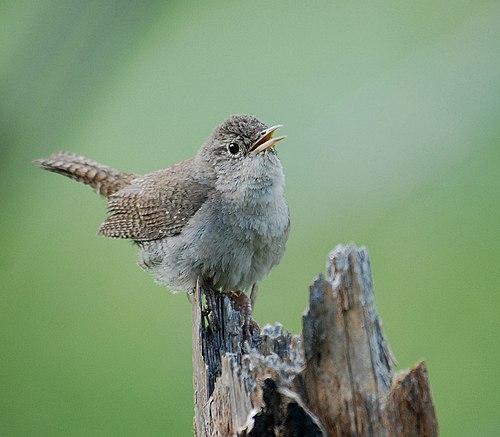
House Wren
Image source: Wikimedia (license varies)

Last identified: Not identified yet
Magnolia Warbler
Setophaga magnolia
Image source: Wikimedia (license varies)
Last identified: Not identified yet
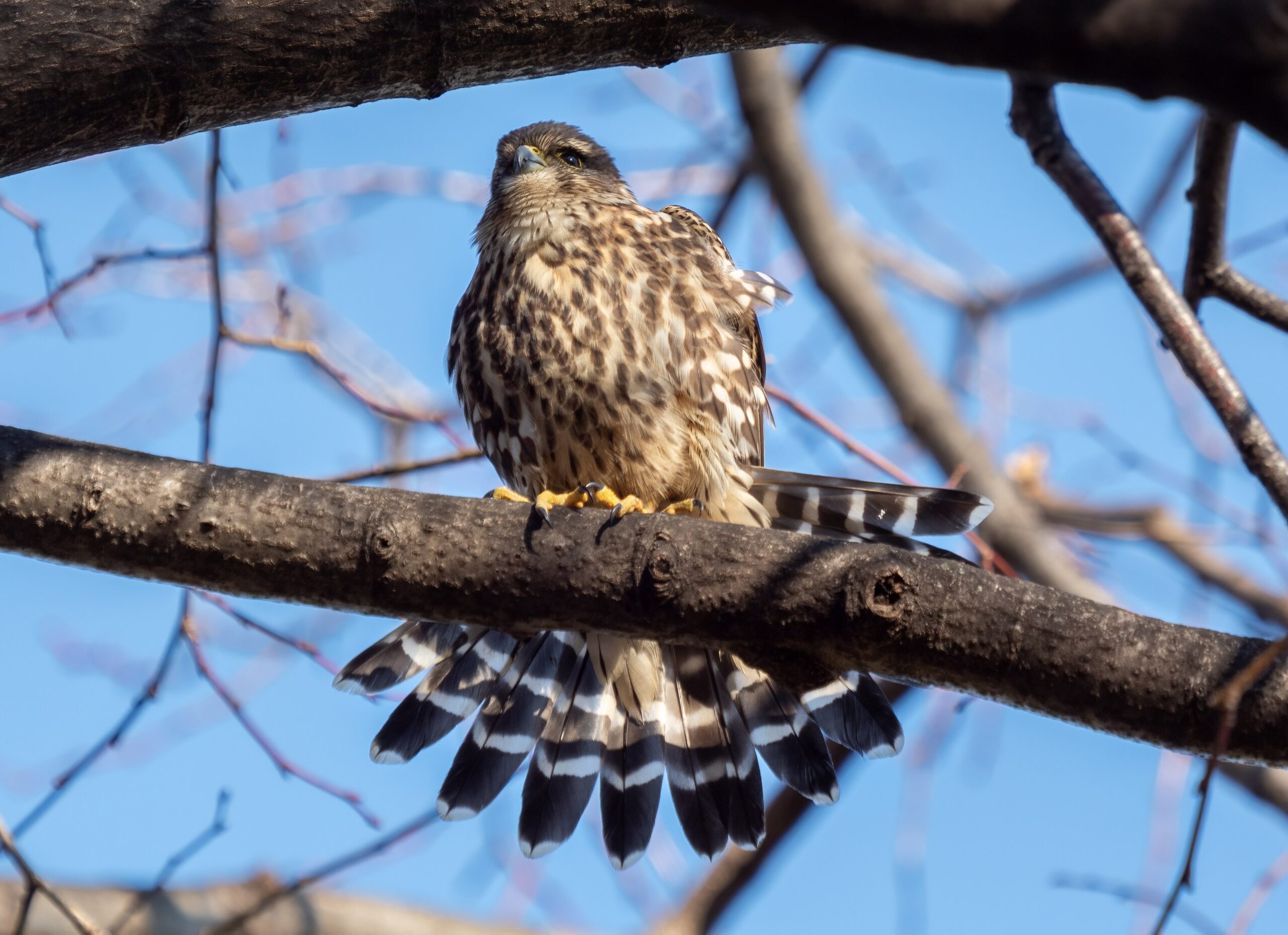
Merlin
Image source: Wikimedia (license varies)
Last identified: Not identified yet
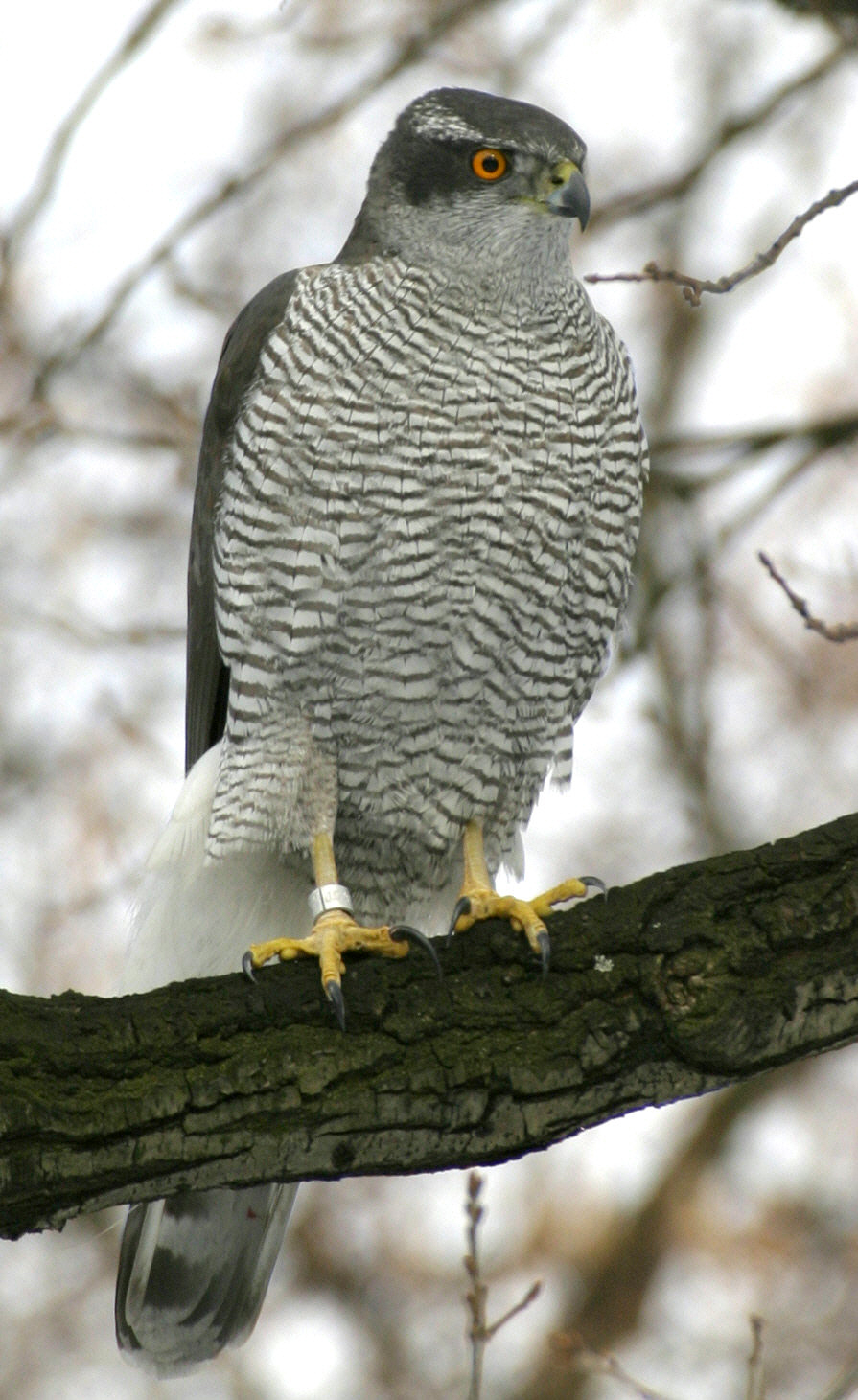
Northern Goshawk
Image source: Wikimedia (license varies)

Last identified: Not identified yet
Northern Harrier
Image source: Wikimedia (license varies)

Last identified: Not identified yet
Northern Waterthrush
Image source: Wikimedia (license varies)

Last identified: Not identified yet
Orange-crowned Warbler
Image source: Wikimedia (license varies)

Last identified: Not identified yet
Pied-billed Grebe
Podilymbus podiceps
Image source: Wikimedia (license varies)

Last identified: Not identified yet
Pine Grosbeak
Image source: Wikimedia (license varies)

Last identified: Not identified yet
Pine Siskin
Image source: Wikimedia (license varies)

Last identified: Not identified yet
Red Crossbill
Image source: Wikimedia (license varies)

Last identified: Not identified yet
Red-bellied Woodpecker
Image source: Wikimedia (license varies)

Last identified: Not identified yet
Red-breasted Merganser
Image source: Wikimedia (license varies)

Last identified: Not identified yet
Red-tailed Hawk
Image source: Wikimedia (license varies)

Last identified: Not identified yet
Ring-necked Duck
Aythya collaris
Image source: Wikimedia (license varies)

Last identified: Not identified yet
Ruby-crowned Kinglet
Corthylio calendula
Image source: Wikimedia (license varies)

Last identified: Not identified yet
Sandhill Crane
Image source: Wikimedia (license varies)

Last identified: Not identified yet
Sedge Wren
Cistothorus stellaris
Image source: Wikimedia (license varies)

Last identified: Not identified yet
Sharp-shinned Hawk
Image source: Wikimedia (license varies)
Last identified: Not identified yet
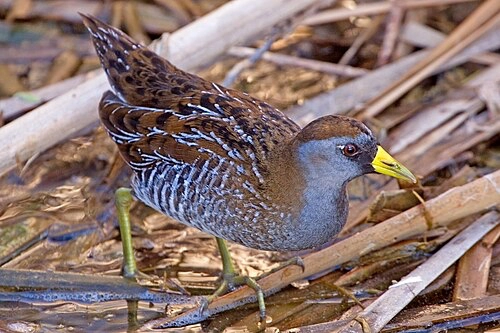
Sora
Image source: Bird Library upload

Last identified: Not identified yet
Swainson's Thrush
Catharus ustulatus
Image source: Wikimedia (license varies)

Last identified: Not identified yet
Tennessee Warbler
Leiothlypis peregrina
Image source: Wikimedia (license varies)

Last identified: Not identified yet
Tree Swallow
Tachycineta bicolor
Image source: Wikimedia (license varies)

Last identified: Not identified yet
White-eyed Vireo
Image source: Wikimedia (license varies)

Last identified: Not identified yet
White-winged Crossbill
Image source: Wikimedia (license varies)

Last identified: Not identified yet
Winter Wren
Troglodytes hiemalis
Image source: Wikimedia (license varies)

Last identified: Not identified yet
Wood Duck
Aix sponsa
Image source: Wikimedia (license varies)

Last identified: Not identified yet
Yellow-bellied Flycatcher
Image source: Wikimedia (license varies)

Last identified: Not identified yet
Yellow-throated Vireo
Image source: Wikimedia (license varies)
All Bird Species
Alder Flycatcher
Empidonax alnorum
Guests: 1
Total sightings: 1
Checklist category: Flycatchers & Vireos
Micro biome: Boreal Forest Species
Abundance: Uncommon
Seasonality: Resident
Last identified: July 1, 2025
Description: The alder flycatcher is a small insect-eating bird in the tyrant flycatcher family. For birding in Voyageurs National Park, watch for alder flycatcher in mixed pine and spruce woods, mature forest edges, and quiet boreal cover around Lake Kabetogama.
Range: Birders near Lake Kabetogama can encounter this species across the full year. Local birders treat it as an uncommon species that still shows up with the right timing and habitat. Near Lake Kabetogama, the best habitat is usually mixed woods and quieter boreal cover.
American Bittern
Botaurus lentiginosus
Guests: 1
Total sightings: 1
Checklist category: Shorebirds & Waders
Micro biome: Wetlands & Edges
Abundance: Common
Seasonality: Breeder
Last identified: July 1, 2025
Description: The American bittern is a species of wading bird in the heron family. Around Voyageurs, this species is most likely in marshes, wetland edges, beaver ponds, and sheltered backwaters near the park's lakes.
Range: It has a Nearctic distribution, breeding in Canada and the northern and central parts of the United States, and wintering in the U.S. This species is most associated with the breeding season and summer birding near Voyageurs. It is one of the more regularly encountered birds on the Pines list. Around The Pines, birders should check marshes, wetland edges, and sheltered backwaters for this species.
American Black Duck
Guests: 0
Total sightings: 0
Checklist category: Ducks, Geese & Swans
Micro biome: Shoreline & Open Water
Abundance: Uncommon
Seasonality: Resident
Last identified: Not identified yet
Description: The American black duck is a large dabbling duck in the family Anatidae. Near Lake Kabetogama, birders are most likely to encounter this species in shorelines, islands, protected bays, and open water across the Voyageurs lake chain.
Range: It is native to eastern North America. This species can be found year-round around Voyageurs. Local birders treat it as an uncommon species that still shows up with the right timing and habitat. Around The Pines, birders should focus on shorelines, islands, and nearby open water for this species.
American Crow
Corvus brachyrhynchos
Guests: 3
Total sightings: 6
Checklist category: Jays, Crows & Ravens
Micro biome: Boreal Forest Species
Abundance: Common
Seasonality: Breeder
Last identified: May 24, 2026
Description: The American crow is a large passerine bird species of the family Corvidae. Across the Voyageurs lake chain, this species is most associated with mixed pine and spruce woods, mature forest edges, and quiet boreal cover around Lake Kabetogama.
Range: They are a common bird found throughout much of North America, only absent from the tundra biome. In the local summer birding season, this species is a stronger target than in colder months. This is a birders-should-expect-it species on the local Pines checklist. The best local habitat is usually mature forest cover, mixed woods, and quieter boreal edges.
American Goldfinch
Spinus tristis
Guests: 2
Total sightings: 3
Checklist category: Sparrows, Blackbirds & Finches
Micro biome: Boreal Forest Species
Abundance: Uncommon
Seasonality: Resident
Last identified: July 1, 2025
Description: The American goldfinch is a small North American bird in the finch family. Birders staying near Lake Kabetogama often look for this species in mixed pine and spruce woods, mature forest edges, and quiet boreal cover around Lake Kabetogama.
Range: It is migratory, ranging from mid-Alberta to North Carolina during the breeding season, and from just south of the Canada–United States border to Mexico during the winter. This is one of the species that can remain part of the local birding picture through every season. It is considered uncommon but regular enough to watch for on the Pines bird list. Local sightings are most likely in boreal woods and forest edges.
American Redstart
Setophaga ruticilla
Guests: 1
Total sightings: 1
Checklist category: Other Landbirds
Micro biome: Boreal Forest Species
Abundance: Common
Seasonality: Resident
Last identified: July 1, 2025
Description: The American redstart is a New World warbler. This species is easiest to look for when you focus on mixed pine and spruce woods, mature forest edges, and quiet boreal cover around Lake Kabetogama.
Range: Birders near Lake Kabetogama can encounter this species across the full year. It is considered common on the Pines bird list. Near Lake Kabetogama, the best habitat is usually mixed woods and quieter boreal cover.
American Robin
Turdus migratorius
Guests: 4
Total sightings: 5
Checklist category: Thrushes, Kinglets & Wrens
Micro biome: Boreal Forest Species
Abundance: Common
Seasonality: Breeder
Last identified: May 23, 2026
Description: The American robin is a migratory bird of the true thrush genus and Turdidae, the wider thrush family. Local birders usually connect with this species in mixed pine and spruce woods, mature forest edges, and quiet boreal cover around Lake Kabetogama.
Range: It is named after the European robin because of its reddish-orange breast, though the two species are not closely related, with the European robin belonging to the Old World flycatcher family. Voyageurs birders usually connect with this species during the warmer breeding months. It is one of the more regularly encountered birds on the Pines list. Local sightings are most likely in boreal woods and forest edges.
American White Pelican
Pelecanus erythrorhynchos
Guests: 3
Total sightings: 4
Checklist category: Ducks, Geese & Swans
Micro biome: Shoreline & Open Water
Abundance: Uncommon
Seasonality: Migratory
Last identified: August 30, 2025
Description: The American white pelican is a large aquatic soaring bird from the order Pelecaniformes. This species is a better target when you work through shorelines, islands, protected bays, and open water across the Voyageurs lake chain.
Range: It breeds in interior North America, moving south and to the coasts, as far as Costa Rica, in winter. This species is most likely near Voyageurs when spring or fall migration is moving birds through the area. Local birders treat it as an uncommon species that still shows up with the right timing and habitat. Near Voyageurs waters, this species is usually tied to shorelines, islands, and open lake habitat.
American Woodcock
Guests: 0
Total sightings: 0
Checklist category: Shorebirds & Waders
Micro biome: Wetlands & Edges
Abundance: Common
Seasonality: Breeder
Last identified: Not identified yet
Description: The American woodcock, sometimes colloquially referred to as the timberdoodle, mudbat, becasse, bogsucker, hokumpoke, trainanator, brush snipe, night partridge, or Labrador twister is a small shorebird species found primarily in the eastern half of North America. For birding in Voyageurs National Park, watch for american woodcock in marshes, wetland edges, beaver ponds, and sheltered backwaters near the park's lakes.
Range: Around Lake Kabetogama, this species is most likely during the summer breeding window. This is a birders-should-expect-it species on the local Pines checklist. Near Lake Kabetogama, wetland margins and sheltered backwaters are usually the strongest habitat for this species.
Bald Eagle
Haliaeetus leucocephalus
Guests: 2
Total sightings: 2
Checklist category: Raptors & Vultures
Micro biome: Shoreline & Open Water
Abundance: Common
Seasonality: Breeder
Last identified: August 30, 2025
Description: The bald eagle is a bird of prey found in North America. Around Voyageurs, this species is most likely in shorelines, islands, protected bays, and open water across the Voyageurs lake chain.
Range: Around Lake Kabetogama, this species is most likely during the summer breeding window. It is considered common on the Pines bird list. Near Voyageurs waters, this species is usually tied to shorelines, islands, and open lake habitat.
Baltimore Oriole
Guests: 0
Total sightings: 0
Checklist category: Sparrows, Blackbirds & Finches
Micro biome: Boreal Forest Species
Abundance: Common
Seasonality: Breeder
Last identified: Not identified yet
Description: The Baltimore oriole is a small icterid blackbird common in eastern North America as a migratory breeding bird. Near Lake Kabetogama, birders are most likely to encounter this species in mixed pine and spruce woods, mature forest edges, and quiet boreal cover around Lake Kabetogama.
Range: Around Lake Kabetogama, this species is most likely during the summer breeding window. It is considered common on the Pines bird list. Near Lake Kabetogama, the best habitat is usually mixed woods and quieter boreal cover.
Barred Owl
Guests: 0
Total sightings: 0
Checklist category: Raptors & Vultures
Micro biome: Boreal Forest Species
Abundance: Common
Seasonality: Resident
Last identified: Not identified yet
Description: The barred owl, also known as the northern barred owl, striped owl or, more informally, hoot owl or eight-hooter owl, is a North American large species of owl. Across the Voyageurs lake chain, this species is most associated with mixed pine and spruce woods, mature forest edges, and quiet boreal cover around Lake Kabetogama.
Range: Barred owls are largely native to eastern North America, but have expanded their range to the west coast of North America where they are considered invasive. This is one of the species that can remain part of the local birding picture through every season. It is one of the more regularly encountered birds on the Pines list. Local sightings are most likely in boreal woods and forest edges.
Bay-breasted Warbler
Setophaga castanea
Guests: 1
Total sightings: 1
Checklist category: Warblers
Micro biome: Boreal Forest Species
Abundance: Uncommon
Seasonality: Resident
Last identified: July 3, 2024
Description: The bay-breasted warbler is a small species of songbird in the New World warbler family, Parulidae. Birders staying near Lake Kabetogama often look for this species in mixed pine and spruce woods, mature forest edges, and quiet boreal cover around Lake Kabetogama.
Range: This is one of the species that can remain part of the local birding picture through every season. It is considered uncommon but regular enough to watch for on the Pines bird list. Local sightings are most likely in boreal woods and forest edges.
Belted Kingfisher
Megaceryle alcyon
Guests: 2
Total sightings: 2
Checklist category: Swallows, Swifts & Hummingbirds
Micro biome: Shoreline & Open Water
Abundance: Common
Seasonality: Breeder
Last identified: May 24, 2026
Description: The belted kingfisher is a large, conspicuous water kingfisher, native to North America. This species is easiest to look for when you focus on shorelines, islands, protected bays, and open water across the Voyageurs lake chain.
Range: Voyageurs birders usually connect with this species during the warmer breeding months. It is considered common on the Pines bird list. Local sightings are most likely along shorelines, islands, and open water.
Black-and-white Warbler
Mniotilta varia
Guests: 2
Total sightings: 4
Checklist category: Warblers
Micro biome: Boreal Forest Species
Abundance: Common
Seasonality: Breeder
Last identified: July 1, 2025
Description: The black-and-white warbler is a species of New World warbler, and the only member of its genus, Mniotilta. Local birders usually connect with this species in mixed pine and spruce woods, mature forest edges, and quiet boreal cover around Lake Kabetogama.
Range: It breeds in northern and eastern North America and winters in Florida, Central America, and the West Indies down to Peru. Voyageurs birders usually connect with this species during the warmer breeding months. This is a birders-should-expect-it species on the local Pines checklist. Local sightings are most likely in boreal woods and forest edges.
Black-backed Woodpecker
Picoides arcticus
Guests: 1
Total sightings: 1
Checklist category: Woodpeckers
Micro biome: Boreal Forest Species
Abundance: Uncommon
Seasonality: Resident
Last identified: July 1, 2025
Description: The black-backed woodpecker, also known as the Arctic three-toed woodpecker, is a medium-sized woodpecker inhabiting the forests of North America. This species is a better target when you work through mixed pine and spruce woods, mature forest edges, and quiet boreal cover around Lake Kabetogama.
Range: In northern Minnesota, this species can stay in the mix across all seasons. It is not an everyday sighting, but it remains a realistic target on the Pines bird list. The best local habitat is usually mature forest cover, mixed woods, and quieter boreal edges.
Black-billed Magpie
Pica hudsonia
Guests: 1
Total sightings: 1
Checklist category: Jays, Crows & Ravens
Micro biome: Boreal Forest Species
Abundance: Uncommon
Seasonality: Resident
Last identified: July 1, 2025
Description: The black-billed magpie, also known as the American magpie, is a bird in the corvid family found in the western half of North America. For birding in Voyageurs National Park, watch for black-billed magpie in mixed pine and spruce woods, mature forest edges, and quiet boreal cover around Lake Kabetogama.
Range: Birders near Lake Kabetogama can encounter this species across the full year. It is considered uncommon but regular enough to watch for on the Pines bird list. Near Lake Kabetogama, the best habitat is usually mixed woods and quieter boreal cover.
Black-capped Chickadee
Poecile atricapillus
Guests: 1
Total sightings: 2
Checklist category: Other Landbirds
Micro biome: Boreal Forest Species
Abundance: Common
Seasonality: Resident
Last identified: July 3, 2024
Description: The black-capped chickadee is a small, nonmigratory, North American passerine bird that lives in deciduous and mixed forests. Around Voyageurs, this species is most likely in mixed pine and spruce woods, mature forest edges, and quiet boreal cover around Lake Kabetogama.
Range: This species can be found year-round around Voyageurs. This is a birders-should-expect-it species on the local Pines checklist. Around The Pines, birders should check forest edges and boreal cover for this species.
Black-throated Green Warbler
Setophaga virens
Guests: 1
Total sightings: 1
Checklist category: Warblers
Micro biome: Boreal Forest Species
Abundance: Uncommon
Seasonality: Resident
Last identified: May 23, 2026
Description: The black-throated green warbler is a small songbird of the New World warbler family. Near Lake Kabetogama, birders are most likely to encounter this species in mixed pine and spruce woods, mature forest edges, and quiet boreal cover around Lake Kabetogama.
Range: Birders near Lake Kabetogama can encounter this species across the full year. It is not an everyday sighting, but it remains a realistic target on the Pines bird list. Near Lake Kabetogama, the best habitat is usually mixed woods and quieter boreal cover.
Blackburnian Warbler
Setophaga fusca
Guests: 0
Total sightings: 0
Checklist category: Warblers
Micro biome: Boreal Forest Species
Abundance: Uncommon
Seasonality: Breeder
Last identified: Not identified yet
Description: The Blackburnian warbler is a small New World warbler. Across the Voyageurs lake chain, this species is most associated with mixed pine and spruce woods, mature forest edges, and quiet boreal cover around Lake Kabetogama.
Range: They are migratory, wintering in southern Central America and South America, and are very rare vagrants to western Europe. In the local summer birding season, this species is a stronger target than in colder months. It is considered uncommon but regular enough to watch for on the Pines bird list. The best local habitat is usually mature forest cover, mixed woods, and quieter boreal edges.
Blue Jay
Cyanocitta cristata
Guests: 1
Total sightings: 1
Checklist category: Jays, Crows & Ravens
Micro biome: Boreal Forest Species
Abundance: Common
Seasonality: Resident
Last identified: July 1, 2025
Description: The blue jay is a passerine bird in the family Corvidae, native to eastern North America. Birders staying near Lake Kabetogama often look for this species in mixed pine and spruce woods, mature forest edges, and quiet boreal cover around Lake Kabetogama.
Range: This species can be found year-round around Voyageurs. It is considered common on the Pines bird list. Around The Pines, birders should check forest edges and boreal cover for this species.
Blue-headed Vireo
Vireo solitarius
Guests: 1
Total sightings: 1
Checklist category: Flycatchers & Vireos
Micro biome: Boreal Forest Species
Abundance: Uncommon
Seasonality: Resident
Last identified: May 23, 2026
Description: The blue-headed vireo is a migrating song bird found in North and Central America. This species is easiest to look for when you focus on mixed pine and spruce woods, mature forest edges, and quiet boreal cover around Lake Kabetogama.
Range: Birders near Lake Kabetogama can encounter this species across the full year. It is considered uncommon but regular enough to watch for on the Pines bird list. Near Lake Kabetogama, the best habitat is usually mixed woods and quieter boreal cover.
Boreal Chickadee
Guests: 0
Total sightings: 0
Checklist category: Other Landbirds
Micro biome: Boreal Forest Species
Abundance: Uncommon
Seasonality: Resident
Last identified: Not identified yet
Description: The boreal chickadee is a small passerine songbird in the tit family Paridae. Local birders usually connect with this species in mixed pine and spruce woods, mature forest edges, and quiet boreal cover around Lake Kabetogama.
Range: It is found in the boreal forests of Alaska, Canada and the northern United States and remains within this range all year. This is one of the species that can remain part of the local birding picture through every season. Local birders treat it as an uncommon species that still shows up with the right timing and habitat. Local sightings are most likely in boreal woods and forest edges.
Broad-winged Hawk
Buteo platypterus
Guests: 1
Total sightings: 1
Checklist category: Raptors & Vultures
Micro biome: Boreal Forest Species
Abundance: Common
Seasonality: Breeder
Last identified: July 1, 2025
Description: The broad-winged hawk is a medium-sized hawk of the genus Buteo. This species is a better target when you work through mixed pine and spruce woods, mature forest edges, and quiet boreal cover around Lake Kabetogama.
Range: During the summer, some subspecies are distributed over eastern North America, as far west as British Columbia and Texas; they then migrate south to winter in the Neotropics from Mexico south to southern Brazil. Voyageurs birders usually connect with this species during the warmer breeding months. It is considered common on the Pines bird list. Local sightings are most likely in boreal woods and forest edges.
Brown Creeper
Guests: 0
Total sightings: 0
Checklist category: Thrushes, Kinglets & Wrens
Micro biome: Boreal Forest Species
Abundance: Common
Seasonality: Breeder
Last identified: Not identified yet
Description: The brown creeper, also known as the American treecreeper, is a small songbird, the only North American member of the treecreeper family Certhiidae. For birding in Voyageurs National Park, watch for brown creeper in mixed pine and spruce woods, mature forest edges, and quiet boreal cover around Lake Kabetogama.
Range: Voyageurs birders usually connect with this species during the warmer breeding months. It is considered common on the Pines bird list. Local sightings are most likely in boreal woods and forest edges.
Brown-headed Cowbird
Guests: 0
Total sightings: 0
Checklist category: Sparrows, Blackbirds & Finches
Micro biome: Boreal Forest Species
Abundance: Common
Seasonality: Resident
Last identified: Not identified yet
Description: The brown-headed cowbird is a small, obligate brood parasitic icterid native to temperate and subtropical North America. Around Voyageurs, this species is most likely in mixed pine and spruce woods, mature forest edges, and quiet boreal cover around Lake Kabetogama.
Range: This is one of the species that can remain part of the local birding picture through every season. It is one of the more regularly encountered birds on the Pines list. Local sightings are most likely in boreal woods and forest edges.
Bufflehead
Guests: 1
Total sightings: 12
Checklist category: Ducks, Geese & Swans
Micro biome: Boreal Forest Species
Abundance: Uncommon
Seasonality: Migratory
Last identified: May 2, 2026
Description: The bufflehead is a small sea duck of the genus Bucephala, the goldeneyes. Near Lake Kabetogama, birders are most likely to encounter this species in mixed pine and spruce woods, mature forest edges, and quiet boreal cover around Lake Kabetogama.
Range: It breeds in Alaska and Canada and migrates in winter to southern North America. Birders around Lake Kabetogama usually see this species during migration rather than across the full season. It is considered uncommon but regular enough to watch for on the Pines bird list. Local sightings are most likely in boreal woods and forest edges.
Canada Goose
Guests: 1
Total sightings: 1
Checklist category: Ducks, Geese & Swans
Micro biome: Shoreline & Open Water
Abundance: Common
Seasonality: Migratory
Last identified: May 31, 2026
Description: The Canada goose is a large species of goose with a black head and neck, white cheeks, white under its chin, and a brown body. Across the Voyageurs lake chain, this species is most associated with shorelines, islands, protected bays, and open water across the Voyageurs lake chain.
Range: It is native to the arctic and temperate regions of North America, and it is occasionally found during migration across the Atlantic in northern Europe. This species is most likely near Voyageurs when spring or fall migration is moving birds through the area. It is considered common on the Pines bird list. Near Voyageurs waters, this species is usually tied to shorelines, islands, and open lake habitat.
Canada Jay
Perisoreus canadensis
Guests: 2
Total sightings: 4
Checklist category: Jays, Crows & Ravens
Micro biome: Boreal Forest Species
Last identified: July 1, 2025
Description: The Canada jay, also known as the grey jay, gray jay, camp robber, moose bird, gorby, or whisky jack, is a passerine bird of the family Corvidae. Birders staying near Lake Kabetogama often look for this species in mixed pine and spruce woods, mature forest edges, and quiet boreal cover around Lake Kabetogama.
Range: It is found in boreal forests of North America, north to the tree line, and in the Rocky Mountains subalpine zone south to New Mexico and Arizona. This species is part of the broader regional bird mix around Voyageurs. It remains part of the broader local checklist at The Pines. Around The Pines, birders should check forest edges and boreal cover for this species.
Canada Warbler
Cardellina canadensis
Guests: 0
Total sightings: 0
Checklist category: Warblers
Micro biome: Boreal Forest Species
Abundance: Uncommon
Seasonality: Resident
Last identified: Not identified yet
Description: The Canada warbler is a small boreal songbird of the New World warbler family (Parulidae). This species is easiest to look for when you focus on mixed pine and spruce woods, mature forest edges, and quiet boreal cover around Lake Kabetogama.
Range: It summers in Canada and northeastern United States and winters in northern South America. In northern Minnesota, this species can stay in the mix across all seasons. It is considered uncommon but regular enough to watch for on the Pines bird list. The best local habitat is usually mature forest cover, mixed woods, and quieter boreal edges.
Cedar Waxwing
Bombycilla cedrorum
Guests: 2
Total sightings: 5
Checklist category: Other Landbirds
Micro biome: Boreal Forest Species
Abundance: Common
Seasonality: Breeder
Last identified: July 1, 2025
Description: The cedar waxwing is a member of the family Bombycillidae or waxwing family of passerine birds. Local birders usually connect with this species in mixed pine and spruce woods, mature forest edges, and quiet boreal cover around Lake Kabetogama.
Range: It is a native of North and Central America, breeding in open wooded areas in southern Canada and wintering in the southern half of the United States, Central America, and the far northwest of South America. This species is most associated with the breeding season and summer birding near Voyageurs. This is a birders-should-expect-it species on the local Pines checklist. Around The Pines, birders should check forest edges and boreal cover for this species.
Chestnut-sided Warbler
Setophaga pensylvanica
Guests: 2
Total sightings: 3
Checklist category: Warblers
Micro biome: Boreal Forest Species
Abundance: Common
Seasonality: Breeder
Last identified: July 1, 2025
Description: The chestnut-sided warbler is a New World warbler. This species is a better target when you work through mixed pine and spruce woods, mature forest edges, and quiet boreal cover around Lake Kabetogama.
Range: In the local summer birding season, this species is a stronger target than in colder months. It is one of the more regularly encountered birds on the Pines list. The best local habitat is usually mature forest cover, mixed woods, and quieter boreal edges.
Chipping Sparrow
Spizella passerina
Guests: 2
Total sightings: 6
Checklist category: Sparrows, Blackbirds & Finches
Micro biome: Boreal Forest Species
Abundance: Common
Seasonality: Breeder
Last identified: July 1, 2025
Description: The chipping sparrow is a species of New World sparrow, a passerine bird in the family Passerellidae. For birding in Voyageurs National Park, watch for chipping sparrow in mixed pine and spruce woods, mature forest edges, and quiet boreal cover around Lake Kabetogama.
Range: It is widespread, fairly tame, and common across most of its North American range. This species is most associated with the breeding season and summer birding near Voyageurs. This is a birders-should-expect-it species on the local Pines checklist. Around The Pines, birders should check forest edges and boreal cover for this species.
Cliff Swallow
Petrochelidon
Guests: 3
Total sightings: 3
Checklist category: Swallows, Swifts & Hummingbirds
Micro biome: Boreal Forest Species
Abundance: Common
Seasonality: Breeder
Last identified: May 23, 2026
Description: Petrochelidon is a genus of birds known as cliff-nesting swallows. Around Voyageurs, this species is most likely in mixed pine and spruce woods, mature forest edges, and quiet boreal cover around Lake Kabetogama.
Range: Around Lake Kabetogama, this species is most likely during the summer breeding window. This is a birders-should-expect-it species on the local Pines checklist. Near Lake Kabetogama, the best habitat is usually mixed woods and quieter boreal cover.
Common Goldeneye
Bucephala clangula
Guests: 1
Total sightings: 1
Checklist category: Ducks, Geese & Swans
Micro biome: Shoreline & Open Water
Abundance: Common
Seasonality: Breeder
Last identified: July 1, 2025
Description: The common goldeneye or simply goldeneye is a medium-sized sea duck of the genus Bucephala, the goldeneyes. Near Lake Kabetogama, birders are most likely to encounter this species in shorelines, islands, protected bays, and open water across the Voyageurs lake chain.
Range: Around Lake Kabetogama, this species is most likely during the summer breeding window. This is a birders-should-expect-it species on the local Pines checklist. Near Voyageurs waters, this species is usually tied to shorelines, islands, and open lake habitat.
Common Grackle
Quiscalus quiscula
Guests: 1
Total sightings: 1
Checklist category: Sparrows, Blackbirds & Finches
Micro biome: Boreal Forest Species
Abundance: Common
Seasonality: Breeder
Last identified: July 1, 2025
Description: The common grackle is an icterid bird found in large numbers through much of North America. Across the Voyageurs lake chain, this species is most associated with mixed pine and spruce woods, mature forest edges, and quiet boreal cover around Lake Kabetogama.
Range: Voyageurs birders usually connect with this species during the warmer breeding months. It is considered common on the Pines bird list. Local sightings are most likely in boreal woods and forest edges.
Common Loon
Gavia immer
Guests: 3
Total sightings: 4
Checklist category: Loons & Grebes
Micro biome: Shoreline & Open Water
Abundance: Common
Seasonality: Breeder
Last identified: August 30, 2025
Description: The common loon or great northern diver is a large member of the loon, or diver, family of birds. Birders staying near Lake Kabetogama often look for this species in shorelines, islands, protected bays, and open water across the Voyageurs lake chain.
Range: Common loons winter on both coasts of the US as far south as Mexico, and on the Atlantic coast of Europe. Around Lake Kabetogama, this species is most likely during the summer breeding window. This is a birders-should-expect-it species on the local Pines checklist. Near Voyageurs waters, this species is usually tied to shorelines, islands, and open lake habitat.
Common Merganser
Mergus merganser
Guests: 1
Total sightings: 1
Checklist category: Ducks, Geese & Swans
Micro biome: Shoreline & Open Water
Abundance: Common
Seasonality: Breeder
Last identified: August 30, 2025
Description: The common merganser or goosander is a large sea duck of rivers and lakes in forested areas of Europe, Asia, and North America. This species is easiest to look for when you focus on shorelines, islands, protected bays, and open water across the Voyageurs lake chain.
Range: Around Lake Kabetogama, this species is most likely during the summer breeding window. It is one of the more regularly encountered birds on the Pines list. Near Voyageurs waters, this species is usually tied to shorelines, islands, and open lake habitat.
Common Raven
Guests: 0
Total sightings: 0
Checklist category: Jays, Crows & Ravens
Micro biome: Boreal Forest Species
Abundance: Common
Seasonality: Breeder
Last identified: Not identified yet
Description: The common raven or northern raven is a large all-black passerine bird. Local birders usually connect with this species in mixed pine and spruce woods, mature forest edges, and quiet boreal cover around Lake Kabetogama.
Range: It is the most widely distributed of all corvids, found across the Northern Hemisphere. Around Lake Kabetogama, this species is most likely during the summer breeding window. It is considered common on the Pines bird list. Near Lake Kabetogama, the best habitat is usually mixed woods and quieter boreal cover.
Common Redpoll
Guests: 0
Total sightings: 0
Checklist category: Sparrows, Blackbirds & Finches
Micro biome: Boreal Forest Species
Abundance: Common
Seasonality: Resident
Last identified: Not identified yet
Description: The redpoll is a species of small passerine bird in the finch family Fringillidae. This species is a better target when you work through mixed pine and spruce woods, mature forest edges, and quiet boreal cover around Lake Kabetogama.
Range: It breeds in the Arctic and north temperate Holarctic tundra and taiga. In northern Minnesota, this species can stay in the mix across all seasons. It is one of the more regularly encountered birds on the Pines list. The best local habitat is usually mature forest cover, mixed woods, and quieter boreal edges.
Common Yellowthroat
Geothlypis trichas
Guests: 2
Total sightings: 3
Checklist category: Other Landbirds
Micro biome: Boreal Forest Species
Abundance: Common
Seasonality: Breeder
Last identified: July 1, 2025
Description: The common yellowthroat is a New World warbler. For birding in Voyageurs National Park, watch for common yellowthroat in mixed pine and spruce woods, mature forest edges, and quiet boreal cover around Lake Kabetogama.
Range: In the northern parts of its range the birds are migratory, wintering in the southern parts of the breeding range, Central America and the West Indies. In the local summer birding season, this species is a stronger target than in colder months. It is considered common on the Pines bird list. The best local habitat is usually mature forest cover, mixed woods, and quieter boreal edges.
Connecticut Warbler
Guests: 0
Total sightings: 0
Checklist category: Warblers
Micro biome: Boreal Forest Species
Abundance: Uncommon
Seasonality: Resident
Last identified: Not identified yet
Description: The Connecticut warbler is a small songbird of the New World warbler family. Around Voyageurs, this species is most likely in mixed pine and spruce woods, mature forest edges, and quiet boreal cover around Lake Kabetogama.
Range: This is one of the species that can remain part of the local birding picture through every season. It is not an everyday sighting, but it remains a realistic target on the Pines bird list. Local sightings are most likely in boreal woods and forest edges.
Cooper's Hawk
Guests: 0
Total sightings: 0
Checklist category: Raptors & Vultures
Micro biome: Boreal Forest Species
Abundance: Uncommon
Seasonality: Resident
Last identified: Not identified yet
Description: Cooper's hawk is a medium-sized hawk native to the North American continent and found from southern Canada to Mexico. Near Lake Kabetogama, birders are most likely to encounter this species in mixed pine and spruce woods, mature forest edges, and quiet boreal cover around Lake Kabetogama.
Range: Birders near Lake Kabetogama can encounter this species across the full year. It is not an everyday sighting, but it remains a realistic target on the Pines bird list. Near Lake Kabetogama, the best habitat is usually mixed woods and quieter boreal cover.
Dark-eyed Junco
Junco hyemalis
Guests: 0
Total sightings: 0
Checklist category: Sparrows, Blackbirds & Finches
Micro biome: Boreal Forest Species
Abundance: Common
Seasonality: Migratory
Last identified: Not identified yet
Description: The dark-eyed junco is a species of junco, a group of small, grayish New World sparrows. Across the Voyageurs lake chain, this species is most associated with mixed pine and spruce woods, mature forest edges, and quiet boreal cover around Lake Kabetogama.
Range: The species is common across much of temperate North America and in summer it ranges far into the Arctic. This species is most likely near Voyageurs when spring or fall migration is moving birds through the area. It is considered common on the Pines bird list. Near Lake Kabetogama, the best habitat is usually mixed woods and quieter boreal cover.
Double-crested Cormorant
Guests: 1
Total sightings: 1
Checklist category: Loons & Grebes
Micro biome: Shoreline & Open Water
Abundance: Common
Seasonality: Resident
Last identified: May 23, 2026
Description: The double-crested cormorant is a member of the cormorant family of water birds. Birders staying near Lake Kabetogama often look for this species in shorelines, islands, protected bays, and open water across the Voyageurs lake chain.
Range: It is found near rivers and lakes and in coastal areas and is widely distributed across North America, from the Aleutian Islands in Alaska down to Florida and Mexico. In northern Minnesota, this species can stay in the mix across all seasons. It is considered common on the Pines bird list. The best local habitat is usually the lake edge, island shorelines, and open water corridors.
Downy Woodpecker
Guests: 0
Total sightings: 0
Checklist category: Woodpeckers
Micro biome: Boreal Forest Species
Abundance: Common
Seasonality: Breeder
Last identified: Not identified yet
Description: The downy woodpecker is a species of woodpecker, the smallest in North America. This species is easiest to look for when you focus on mixed pine and spruce woods, mature forest edges, and quiet boreal cover around Lake Kabetogama.
Range: Length ranges from 14 to 18 cm. This species is most associated with the breeding season and summer birding near Voyageurs. It is considered common on the Pines bird list. Around The Pines, birders should check forest edges and boreal cover for this species.
Eastern Kingbird
Tyrannus tyrannus
Guests: 1
Total sightings: 1
Checklist category: Flycatchers & Vireos
Micro biome: Boreal Forest Species
Abundance: Common
Seasonality: Breeder
Last identified: July 1, 2025
Description: The eastern kingbird is a large tyrant flycatcher native to the Americas. Local birders usually connect with this species in mixed pine and spruce woods, mature forest edges, and quiet boreal cover around Lake Kabetogama.
Range: This species is most associated with the breeding season and summer birding near Voyageurs. This is a birders-should-expect-it species on the local Pines checklist. Around The Pines, birders should check forest edges and boreal cover for this species.
Eastern Phoebe
Sayornis phoebe
Guests: 2
Total sightings: 4
Checklist category: Flycatchers & Vireos
Micro biome: Boreal Forest Species
Abundance: Common
Seasonality: Breeder
Last identified: July 1, 2025
Description: The eastern phoebe is a small passerine bird. This species is a better target when you work through mixed pine and spruce woods, mature forest edges, and quiet boreal cover around Lake Kabetogama.
Range: Phoebe is an alternative name for the Roman moon-goddess Diana, but it may also have been chosen to imitate the bird's call. Around Lake Kabetogama, this species is most likely during the summer breeding window. It is considered common on the Pines bird list. Near Lake Kabetogama, the best habitat is usually mixed woods and quieter boreal cover.
Eastern Wood-Pewee
Contopus virens
Guests: 1
Total sightings: 1
Checklist category: Flycatchers & Vireos
Micro biome: Boreal Forest Species
Abundance: Common
Seasonality: Breeder
Last identified: July 1, 2025
Description: The eastern wood pewee is a small tyrant flycatcher from North, Central and South America. For birding in Voyageurs National Park, watch for eastern wood-pewee in mixed pine and spruce woods, mature forest edges, and quiet boreal cover around Lake Kabetogama.
Range: Voyageurs birders usually connect with this species during the warmer breeding months. It is one of the more regularly encountered birds on the Pines list. Local sightings are most likely in boreal woods and forest edges.
Fox Sparrow
Guests: 0
Total sightings: 0
Checklist category: Sparrows, Blackbirds & Finches
Micro biome: Boreal Forest Species
Abundance: Uncommon
Seasonality: Migratory
Last identified: Not identified yet
Description: The fox sparrow is a large New World sparrow. Around Voyageurs, this species is most likely in mixed pine and spruce woods, mature forest edges, and quiet boreal cover around Lake Kabetogama.
Range: Migration is usually the key window for finding this species locally. It is not an everyday sighting, but it remains a realistic target on the Pines bird list. The best local habitat is usually mature forest cover, mixed woods, and quieter boreal edges.
Golden-crowned Kinglet
Guests: 0
Total sightings: 0
Checklist category: Jays, Crows & Ravens
Micro biome: Boreal Forest Species
Abundance: Uncommon
Seasonality: Resident
Last identified: Not identified yet
Description: The golden-crowned kinglet is a very small songbird in the family Regulidae that lives throughout much of North America. Near Lake Kabetogama, birders are most likely to encounter this species in mixed pine and spruce woods, mature forest edges, and quiet boreal cover around Lake Kabetogama.
Range: This is one of the species that can remain part of the local birding picture through every season. It is considered uncommon but regular enough to watch for on the Pines bird list. Local sightings are most likely in boreal woods and forest edges.
Golden-winged Warbler
Guests: 0
Total sightings: 0
Checklist category: Warblers
Micro biome: Boreal Forest Species
Abundance: Rare
Seasonality: Migratory
Last identified: Not identified yet
Description: The golden-winged warbler is a small migratory insectivorous bird in the New World warbler family Parulidae. Across the Voyageurs lake chain, this species is most associated with mixed pine and spruce woods, mature forest edges, and quiet boreal cover around Lake Kabetogama.
Range: It breeds in southeastern and south-central Canada and in the Appalachian Mountains in the northeastern to north-central United States. Migration is usually the key window for finding this species locally. Birders should treat this as a special local sighting rather than a routine one. The best local habitat is usually mature forest cover, mixed woods, and quieter boreal edges.
Gray Catbird
Dumetella carolinensis
Guests: 1
Total sightings: 1
Checklist category: Thrushes, Kinglets & Wrens
Micro biome: Boreal Forest Species
Abundance: Common
Seasonality: Breeder
Last identified: July 1, 2025
Description: The gray catbird, also spelled grey catbird, is a medium-sized North American and Central American perching bird of the mimid family. Birders staying near Lake Kabetogama often look for this species in mixed pine and spruce woods, mature forest edges, and quiet boreal cover around Lake Kabetogama.
Range: This species is most associated with the breeding season and summer birding near Voyageurs. This is a birders-should-expect-it species on the local Pines checklist. Around The Pines, birders should check forest edges and boreal cover for this species.
Gray Jay
Guests: 0
Total sightings: 0
Checklist category: Jays, Crows & Ravens
Micro biome: Boreal Forest Species
Abundance: Common
Seasonality: Resident
Last identified: Not identified yet
Description: The Canada jay, also known as the grey jay, gray jay, camp robber, moose bird, gorby, or whisky jack, is a passerine bird of the family Corvidae. This species is easiest to look for when you focus on mixed pine and spruce woods, mature forest edges, and quiet boreal cover around Lake Kabetogama.
Range: It is found in boreal forests of North America, north to the tree line, and in the Rocky Mountains subalpine zone south to New Mexico and Arizona. In northern Minnesota, this species can stay in the mix across all seasons. This is a birders-should-expect-it species on the local Pines checklist. The best local habitat is usually mature forest cover, mixed woods, and quieter boreal edges.
Gray-cheeked Thrush
Guests: 0
Total sightings: 0
Checklist category: Thrushes, Kinglets & Wrens
Micro biome: Boreal Forest Species
Abundance: Uncommon
Seasonality: Migratory
Last identified: Not identified yet
Description: The gray-cheeked thrush is a medium-sized thrush. Local birders usually connect with this species in mixed pine and spruce woods, mature forest edges, and quiet boreal cover around Lake Kabetogama.
Range: Of all the American spotted thrushes, the gray-cheeked has the most northern breeding range. Migration is usually the key window for finding this species locally. Local birders treat it as an uncommon species that still shows up with the right timing and habitat. The best local habitat is usually mature forest cover, mixed woods, and quieter boreal edges.
Great Blue Heron
Ardea herodias
Guests: 1
Total sightings: 1
Checklist category: Shorebirds & Waders
Micro biome: Wetlands & Edges
Abundance: Common
Seasonality: Breeder
Last identified: July 1, 2025
Description: The great blue heron is a large wading bird in the heron family Ardeidae, common near the shores of open water and in wetlands over most of North and Central America, as well as far northwestern South America, the Caribbean and the Galápagos Islands. This species is a better target when you work through marshes, wetland edges, beaver ponds, and sheltered backwaters near the park's lakes.
Range: It is occasionally found in the Azores and is a rare vagrant to Europe. In the local summer birding season, this species is a stronger target than in colder months. It is considered common on the Pines bird list. The best local habitat is usually wetland margins, shallow backwaters, and marsh edges.
Great Crested Flycatcher
Myiarchus crinitus
Guests: 0
Total sightings: 0
Checklist category: Flycatchers & Vireos
Micro biome: Boreal Forest Species
Abundance: Common
Seasonality: Resident
Last identified: Not identified yet
Description: The great crested flycatcher is a large insect-eating bird of the tyrant flycatcher family. For birding in Voyageurs National Park, watch for great crested flycatcher in mixed pine and spruce woods, mature forest edges, and quiet boreal cover around Lake Kabetogama.
Range: It is the most widespread member of the genus Myiarchus in North America, and is found over most of the eastern and mid-western portions of the continent. This is one of the species that can remain part of the local birding picture through every season. It is considered common on the Pines bird list. Local sightings are most likely in boreal woods and forest edges.
Great Egret
Ardea alba
Guests: 1
Total sightings: 1
Checklist category: Shorebirds & Waders
Micro biome: Wetlands & Edges
Last identified: July 1, 2025
Description: The great egret, also known as the common egret, large egret, great white egret, or great white heron, is a large, widely distributed egret. Around Voyageurs, this species is most likely in marshes, wetland edges, beaver ponds, and sheltered backwaters near the park's lakes.
Range: The four subspecies are found in Asia, Africa, the Americas, and southern Europe. Birders in the Voyageurs region may encounter this species as part of the area's broader checklist. It remains part of the local Pines bird list. Local sightings are most likely in wetlands and marshy edges.
Great Gray Owl
Guests: 0
Total sightings: 0
Checklist category: Raptors & Vultures
Micro biome: Boreal Forest Species
Abundance: Uncommon
Seasonality: Resident
Last identified: Not identified yet
Description: The great grey owl is a true owl, and is the world's largest species of owl by length. Near Lake Kabetogama, birders are most likely to encounter this species in mixed pine and spruce woods, mature forest edges, and quiet boreal cover around Lake Kabetogama.
Range: It is distributed across the Northern Hemisphere and is the only species in the genus Strix found in both Eastern and Western Hemispheres. This species can be found year-round around Voyageurs. It is not an everyday sighting, but it remains a realistic target on the Pines bird list. Around The Pines, birders should check forest edges and boreal cover for this species.
Great Horned Owl
Guests: 0
Total sightings: 0
Checklist category: Raptors & Vultures
Micro biome: Boreal Forest Species
Abundance: Uncommon
Seasonality: Breeder
Last identified: Not identified yet
Description: The great horned owl, also known as the tiger owl or the hoot owl, is a large owl native to the Americas. Across the Voyageurs lake chain, this species is most associated with mixed pine and spruce woods, mature forest edges, and quiet boreal cover around Lake Kabetogama.
Range: Around Lake Kabetogama, this species is most likely during the summer breeding window. Local birders treat it as an uncommon species that still shows up with the right timing and habitat. Near Lake Kabetogama, the best habitat is usually mixed woods and quieter boreal cover.
Greater Scaup
Guests: 0
Total sightings: 0
Checklist category: Ducks, Geese & Swans
Micro biome: Boreal Forest Species
Abundance: Common
Seasonality: Migratory
Last identified: Not identified yet
Description: The greater scaup, just scaup in Europe or, colloquially, "bluebill" in North America, is a mid-sized diving duck, larger than the closely related lesser scaup and tufted duck. Birders staying near Lake Kabetogama often look for this species in mixed pine and spruce woods, mature forest edges, and quiet boreal cover around Lake Kabetogama.
Range: It spends the summer months breeding in Iceland, east across Scandinavia, northern Russia and Siberia, Alaska, and northern Canada. Birders around Lake Kabetogama usually see this species during migration rather than across the full season. It is one of the more regularly encountered birds on the Pines list. Local sightings are most likely in boreal woods and forest edges.
Green Heron
Guests: 0
Total sightings: 0
Checklist category: Shorebirds & Waders
Micro biome: Wetlands & Edges
Last identified: Not identified yet
Description: The green heron is a small heron of North and Central America. This species is easiest to look for when you focus on marshes, wetland edges, beaver ponds, and sheltered backwaters near the park's lakes.
Range: This species belongs to the wider birding picture around Lake Kabetogama and the surrounding lakes. It remains part of the local Pines bird list. Near Lake Kabetogama, wetland margins and sheltered backwaters are usually the strongest habitat for this species.
Gull Species
Guests: 1
Total sightings: 1
Checklist category: Other Landbirds
Micro biome: Boreal Forest Species
Last identified: August 30, 2025
Description: Search Results | All About Birds Skip to main content Skip to Content Area Get Involved Get eNews Donate Birds Bird Guide Bird ID Skills Feeding Birds Bird-Friendly Homes Binoculars & Gear Sounds & Songs FAQs & Problems Festivals & Events About Cornell Lab Live Cams Ontario FeederWatch Cornell Lab FeederWatch Panama Fruit Feeders Panama Hummingbird Feeders Royal Albatross All Cams Courses Bird Identification Bird Biology Learning Games How to Use eBird Learn Bird Songs All Online Courses Merlin Bird ID Get Involved Get eNews Donate Search Menu Search Results for: Gull Species Search for. Local birders usually connect with this species in mixed pine and spruce woods, mature forest edges, and quiet boreal cover around Lake Kabetogama.
Range: Search Results | All About Birds Skip to main content Skip to Content Area Get Involved Get eNews Donate Birds Bird Guide Bird ID Skills Feeding Birds Bird-Friendly Homes Binoculars & Gear Sounds & Songs FAQs & Problems Festivals & Events About Cornell Lab Live Cams Ontario FeederWatch Cornell Lab. This species is part of the broader regional bird mix around Voyageurs. It still belongs on the working Pines bird checklist. Around The Pines, birders should check forest edges and boreal cover for this species.
Hairy Woodpecker
Leuconotopicus villosus
Guests: 2
Total sightings: 2
Checklist category: Woodpeckers
Micro biome: Boreal Forest Species
Abundance: Common
Seasonality: Breeder
Last identified: August 30, 2025
Description: The hairy woodpecker is a medium-sized woodpecker that is found over a large area of North America. This species is a better target when you work through mixed pine and spruce woods, mature forest edges, and quiet boreal cover around Lake Kabetogama.
Range: This species is most associated with the breeding season and summer birding near Voyageurs. It is one of the more regularly encountered birds on the Pines list. Around The Pines, birders should check forest edges and boreal cover for this species.
Hermit Thrush
Catharus guttatus
Guests: 1
Total sightings: 1
Checklist category: Thrushes, Kinglets & Wrens
Micro biome: Boreal Forest Species
Abundance: Common
Seasonality: Breeder
Last identified: July 1, 2025
Description: The hermit thrush is a medium-sized North American thrush. For birding in Voyageurs National Park, watch for hermit thrush in mixed pine and spruce woods, mature forest edges, and quiet boreal cover around Lake Kabetogama.
Range: In the local summer birding season, this species is a stronger target than in colder months. It is one of the more regularly encountered birds on the Pines list. The best local habitat is usually mature forest cover, mixed woods, and quieter boreal edges.
Hoary Redpoll
Guests: 0
Total sightings: 0
Checklist category: Sparrows, Blackbirds & Finches
Micro biome: Boreal Forest Species
Abundance: Uncommon
Seasonality: Resident
Last identified: Not identified yet
Description: The redpoll is a species of small passerine bird in the finch family Fringillidae. Around Voyageurs, this species is most likely in mixed pine and spruce woods, mature forest edges, and quiet boreal cover around Lake Kabetogama.
Range: It breeds in the Arctic and north temperate Holarctic tundra and taiga. Birders near Lake Kabetogama can encounter this species across the full year. It is not an everyday sighting, but it remains a realistic target on the Pines bird list. Near Lake Kabetogama, the best habitat is usually mixed woods and quieter boreal cover.
House Wren
Guests: 0
Total sightings: 0
Checklist category: Thrushes, Kinglets & Wrens
Micro biome: Boreal Forest Species
Abundance: Common
Seasonality: Breeder
Last identified: Not identified yet
Description: The house wren complex has been split into eight species:Northern house wren, Troglodytes aedon Southern house wren, Troglodytes musculus Cozumel wren, Troglodytes beani Kalinago wren, Troglodytes martinicensis St. Near Lake Kabetogama, birders are most likely to encounter this species in mixed pine and spruce woods, mature forest edges, and quiet boreal cover around Lake Kabetogama.
Range: This species is most associated with the breeding season and summer birding near Voyageurs. It is one of the more regularly encountered birds on the Pines list. Around The Pines, birders should check forest edges and boreal cover for this species.
Indigo Bunting
Passerina cyanea
Guests: 2
Total sightings: 2
Checklist category: Sparrows, Blackbirds & Finches
Micro biome: Boreal Forest Species
Abundance: Uncommon
Seasonality: Resident
Last identified: July 1, 2025
Description: The indigo bunting is a small seed-eating bird in the cardinal family, Cardinalidae. Across the Voyageurs lake chain, this species is most associated with mixed pine and spruce woods, mature forest edges, and quiet boreal cover around Lake Kabetogama.
Range: It is migratory, ranging from southern Canada to northern Florida during the breeding season, and from southern Florida to northern South America during the winter. Birders near Lake Kabetogama can encounter this species across the full year. It is considered uncommon but regular enough to watch for on the Pines bird list. Near Lake Kabetogama, the best habitat is usually mixed woods and quieter boreal cover.
Least Flycatcher
Empidonax minimus
Guests: 2
Total sightings: 2
Checklist category: Flycatchers & Vireos
Micro biome: Boreal Forest Species
Abundance: Common
Seasonality: Breeder
Last identified: May 23, 2026
Description: The least flycatcher is a small insect-eating bird. Birders staying near Lake Kabetogama often look for this species in mixed pine and spruce woods, mature forest edges, and quiet boreal cover around Lake Kabetogama.
Range: Voyageurs birders usually connect with this species during the warmer breeding months. It is one of the more regularly encountered birds on the Pines list. Local sightings are most likely in boreal woods and forest edges.
Lincoln's Sparrow
Melospiza lincolnii
Guests: 1
Total sightings: 1
Checklist category: Sparrows, Blackbirds & Finches
Micro biome: Boreal Forest Species
Abundance: Uncommon
Seasonality: Resident
Last identified: July 1, 2025
Description: Lincoln's sparrow is a small sparrow native to North America. This species is easiest to look for when you focus on mixed pine and spruce woods, mature forest edges, and quiet boreal cover around Lake Kabetogama.
Range: In northern Minnesota, this species can stay in the mix across all seasons. It is considered uncommon but regular enough to watch for on the Pines bird list. The best local habitat is usually mature forest cover, mixed woods, and quieter boreal edges.
Magnolia Warbler
Setophaga magnolia
Guests: 0
Total sightings: 0
Checklist category: Warblers
Micro biome: Boreal Forest Species
Abundance: Uncommon
Seasonality: Resident
Last identified: Not identified yet
Description: The magnolia warbler is a member of the wood warbler family Parulidae. Local birders usually connect with this species in mixed pine and spruce woods, mature forest edges, and quiet boreal cover around Lake Kabetogama.
Range: In northern Minnesota, this species can stay in the mix across all seasons. It is considered uncommon but regular enough to watch for on the Pines bird list. The best local habitat is usually mature forest cover, mixed woods, and quieter boreal edges.
Mallard
Anas platyrhynchos
Guests: 1
Total sightings: 1
Checklist category: Ducks, Geese & Swans
Micro biome: Shoreline & Open Water
Abundance: Common
Seasonality: Breeder
Last identified: August 30, 2025
Description: The mallard or wild duck is a dabbling duck that breeds throughout the temperate and subtropical Americas, Eurasia, and North Africa. This species is a better target when you work through shorelines, islands, protected bays, and open water across the Voyageurs lake chain.
Range: Around Lake Kabetogama, this species is most likely during the summer breeding window. It is considered common on the Pines bird list. Near Voyageurs waters, this species is usually tied to shorelines, islands, and open lake habitat.
Merlin
Guests: 0
Total sightings: 0
Checklist category: Raptors & Vultures
Micro biome: Boreal Forest Species
Abundance: Uncommon
Seasonality: Breeder
Last identified: Not identified yet
Description: Merlin is a mythical figure prominently featured in the legend of King Arthur and best known as a magician, along with several other main roles. For birding in Voyageurs National Park, watch for merlin in mixed pine and spruce woods, mature forest edges, and quiet boreal cover around Lake Kabetogama.
Range: In the local summer birding season, this species is a stronger target than in colder months. It is not an everyday sighting, but it remains a realistic target on the Pines bird list. The best local habitat is usually mature forest cover, mixed woods, and quieter boreal edges.
Mourning Warbler
Geothlypis philadelphia
Guests: 2
Total sightings: 2
Checklist category: Warblers
Micro biome: Boreal Forest Species
Abundance: Common
Seasonality: Resident
Last identified: July 1, 2025
Description: The mourning warbler is a small songbird of the New World warbler family. Around Voyageurs, this species is most likely in mixed pine and spruce woods, mature forest edges, and quiet boreal cover around Lake Kabetogama.
Range: Mourning warblers are neotropical migrants native to eastern and central North America and wintering in Central and South America. This is one of the species that can remain part of the local birding picture through every season. It is considered common on the Pines bird list. Local sightings are most likely in boreal woods and forest edges.
Nashville Warbler
Leiothlypis ruficapilla
Guests: 1
Total sightings: 1
Checklist category: Warblers
Micro biome: Boreal Forest Species
Abundance: Common
Seasonality: Breeder
Last identified: July 3, 2024
Description: The Nashville warbler is a small songbird in the New World warbler family, found in North and Central America. Near Lake Kabetogama, birders are most likely to encounter this species in mixed pine and spruce woods, mature forest edges, and quiet boreal cover around Lake Kabetogama.
Range: Around Lake Kabetogama, this species is most likely during the summer breeding window. It is considered common on the Pines bird list. Near Lake Kabetogama, the best habitat is usually mixed woods and quieter boreal cover.
Northern Flicker
Colaptes auratus
Guests: 2
Total sightings: 3
Checklist category: Woodpeckers
Micro biome: Boreal Forest Species
Abundance: Common
Seasonality: Breeder
Last identified: July 1, 2025
Description: The northern flicker or common flicker is a medium-sized bird of the woodpecker family. Across the Voyageurs lake chain, this species is most associated with mixed pine and spruce woods, mature forest edges, and quiet boreal cover around Lake Kabetogama.
Range: It is native to most of North America, parts of Central America, Cuba, and the Cayman Islands, and is one of the few woodpecker species that migrate. This species is most associated with the breeding season and summer birding near Voyageurs. It is one of the more regularly encountered birds on the Pines list. Around The Pines, birders should check forest edges and boreal cover for this species.
Northern Goshawk
Guests: 0
Total sightings: 0
Checklist category: Raptors & Vultures
Micro biome: Boreal Forest Species
Abundance: Uncommon
Seasonality: Resident
Last identified: Not identified yet
Description: The northern goshawk has been split into two species based on significant morphological and genetic differences:Eurasian goshawk, Astur gentilis American goshawk, Astur atricapillus. Birders staying near Lake Kabetogama often look for this species in mixed pine and spruce woods, mature forest edges, and quiet boreal cover around Lake Kabetogama.
Range: This species can be found year-round around Voyageurs. It is considered uncommon but regular enough to watch for on the Pines bird list. Around The Pines, birders should check forest edges and boreal cover for this species.
Northern Harrier
Guests: 0
Total sightings: 0
Checklist category: Raptors & Vultures
Micro biome: Boreal Forest Species
Abundance: Uncommon
Seasonality: Resident
Last identified: Not identified yet
Description: The northern harrier, also known as the marsh hawk or ring-tailed hawk, is a bird of prey. This species is easiest to look for when you focus on mixed pine and spruce woods, mature forest edges, and quiet boreal cover around Lake Kabetogama.
Range: It breeds throughout the northern parts of the Northern Hemisphere in Canada and the northernmost United States. Birders near Lake Kabetogama can encounter this species across the full year. Local birders treat it as an uncommon species that still shows up with the right timing and habitat. Near Lake Kabetogama, the best habitat is usually mixed woods and quieter boreal cover.
Northern Parula
Setophaga americana
Guests: 1
Total sightings: 1
Checklist category: Other Landbirds
Micro biome: Boreal Forest Species
Abundance: Uncommon
Seasonality: Breeder
Last identified: July 1, 2025
Description: The northern parula is a small New World warbler. Local birders usually connect with this species in mixed pine and spruce woods, mature forest edges, and quiet boreal cover around Lake Kabetogama.
Range: It is migratory and breeds in eastern North America from southern Canada to Florida. Around Lake Kabetogama, this species is most likely during the summer breeding window. It is considered uncommon but regular enough to watch for on the Pines bird list. Near Lake Kabetogama, the best habitat is usually mixed woods and quieter boreal cover.
Northern Saw-whet Owl
Guests: 1
Total sightings: 1
Checklist category: Raptors & Vultures
Micro biome: Boreal Forest Species
Abundance: Uncommon
Seasonality: Resident
Last identified: May 22, 2026
Description: The northern saw-whet owl is a species of small owl in the family Strigidae. This species is a better target when you work through mixed pine and spruce woods, mature forest edges, and quiet boreal cover around Lake Kabetogama.
Range: The species is native to North America. This is one of the species that can remain part of the local birding picture through every season. Local birders treat it as an uncommon species that still shows up with the right timing and habitat. Local sightings are most likely in boreal woods and forest edges.
Northern Waterthrush
Guests: 0
Total sightings: 0
Checklist category: Warblers
Micro biome: Boreal Forest Species
Abundance: Uncommon
Seasonality: Resident
Last identified: Not identified yet
Description: The northern waterthrush is a species of ground-feeding migratory New World warbler of the genus Parkesia. For birding in Voyageurs National Park, watch for northern waterthrush in mixed pine and spruce woods, mature forest edges, and quiet boreal cover around Lake Kabetogama.
Range: It breeds in the northern part of North America, in Alaska, Canada, and the northern United States; it winters in Florida, Central America, the West Indies, Venezuela, Colombia, and Ecuador. Birders near Lake Kabetogama can encounter this species across the full year. Local birders treat it as an uncommon species that still shows up with the right timing and habitat. Near Lake Kabetogama, the best habitat is usually mixed woods and quieter boreal cover.
Olive-sided Flycatcher
Contopus cooperi
Guests: 1
Total sightings: 1
Checklist category: Flycatchers & Vireos
Micro biome: Boreal Forest Species
Abundance: Uncommon
Seasonality: Breeder
Last identified: July 1, 2025
Description: The olive-sided flycatcher is a small to medium sized passerine bird in the family Tyrannidae, the tyrant flycatcher family. Around Voyageurs, this species is most likely in mixed pine and spruce woods, mature forest edges, and quiet boreal cover around Lake Kabetogama.
Range: Voyageurs birders usually connect with this species during the warmer breeding months. It is considered uncommon but regular enough to watch for on the Pines bird list. Local sightings are most likely in boreal woods and forest edges.
Orange-crowned Warbler
Guests: 0
Total sightings: 0
Checklist category: Jays, Crows & Ravens
Micro biome: Boreal Forest Species
Abundance: Uncommon
Seasonality: Migratory
Last identified: Not identified yet
Description: The orange-crowned warbler is a small songbird of the New World warbler family. Near Lake Kabetogama, birders are most likely to encounter this species in mixed pine and spruce woods, mature forest edges, and quiet boreal cover around Lake Kabetogama.
Range: Birders around Lake Kabetogama usually see this species during migration rather than across the full season. It is not an everyday sighting, but it remains a realistic target on the Pines bird list. Local sightings are most likely in boreal woods and forest edges.
Osprey
Pandion haliaetus
Guests: 1
Total sightings: 1
Checklist category: Raptors & Vultures
Micro biome: Shoreline & Open Water
Abundance: Common
Seasonality: Breeder
Last identified: August 30, 2025
Description: The osprey, historically known as sea hawk, river hawk, and fish hawk, is a diurnal, fish-eating bird of prey with a cosmopolitan range. Across the Voyageurs lake chain, this species is most associated with shorelines, islands, protected bays, and open water across the Voyageurs lake chain.
Range: Voyageurs birders usually connect with this species during the warmer breeding months. It is one of the more regularly encountered birds on the Pines list. Local sightings are most likely along shorelines, islands, and open water.
Ovenbird
Seiurus aurocapilla
Guests: 3
Total sightings: 4
Checklist category: Other Landbirds
Micro biome: Boreal Forest Species
Abundance: Common
Seasonality: Breeder
Last identified: May 23, 2026
Description: The ovenbird is a small songbird of the New World warbler family Parulidae. Birders staying near Lake Kabetogama often look for this species in mixed pine and spruce woods, mature forest edges, and quiet boreal cover around Lake Kabetogama.
Range: This migratory bird breeds in eastern North America and winters in Central America, many Caribbean islands, Florida and northern Venezuela. Around Lake Kabetogama, this species is most likely during the summer breeding window. It is one of the more regularly encountered birds on the Pines list. Near Lake Kabetogama, the best habitat is usually mixed woods and quieter boreal cover.
Pied-billed Grebe
Podilymbus podiceps
Guests: 0
Total sightings: 0
Checklist category: Loons & Grebes
Micro biome: Shoreline & Open Water
Abundance: Uncommon
Seasonality: Breeder
Last identified: Not identified yet
Description: The pied-billed grebe is a species of the grebe family of water birds primarily found in ponds throughout the Americas. This species is easiest to look for when you focus on shorelines, islands, protected bays, and open water across the Voyageurs lake chain.
Range: This species is most associated with the breeding season and summer birding near Voyageurs. It is considered uncommon but regular enough to watch for on the Pines bird list. Around The Pines, birders should focus on shorelines, islands, and nearby open water for this species.
Pileated Woodpecker
Dryocopus pileatus
Guests: 1
Total sightings: 1
Checklist category: Woodpeckers
Micro biome: Boreal Forest Species
Abundance: Common
Seasonality: Breeder
Last identified: August 30, 2025
Description: The pileated woodpecker is a large, crow-sized woodpecker with a prominent red crest, white neck stripe, and a mostly black body. Local birders usually connect with this species in mixed pine and spruce woods, mature forest edges, and quiet boreal cover around Lake Kabetogama.
Range: This woodpecker is native to North America, where it is the largest confirmed extant woodpecker species and the third-largest extant species of woodpecker in the world, after the great slaty woodpecker and the black woodpecker. In the local summer birding season, this species is a stronger target than in colder months. It is considered common on the Pines bird list. The best local habitat is usually mature forest cover, mixed woods, and quieter boreal edges.
Pine Grosbeak
Guests: 0
Total sightings: 0
Checklist category: Sparrows, Blackbirds & Finches
Micro biome: Boreal Forest Species
Abundance: Common
Seasonality: Resident
Last identified: Not identified yet
Description: The pine grosbeak is a large member of the true finch family, Fringillidae. This species is a better target when you work through mixed pine and spruce woods, mature forest edges, and quiet boreal cover around Lake Kabetogama.
Range: It is found in coniferous woods across Alaska, the western mountains of the United States, Canada, and in subarctic Fennoscandia and across the Palearctic to Siberia. This is one of the species that can remain part of the local birding picture through every season. It is one of the more regularly encountered birds on the Pines list. Local sightings are most likely in boreal woods and forest edges.
Pine Siskin
Guests: 0
Total sightings: 0
Checklist category: Sparrows, Blackbirds & Finches
Micro biome: Boreal Forest Species
Abundance: Uncommon
Seasonality: Resident
Last identified: Not identified yet
Description: The pine siskin is a North American bird in the finch family. For birding in Voyageurs National Park, watch for pine siskin in mixed pine and spruce woods, mature forest edges, and quiet boreal cover around Lake Kabetogama.
Range: It is a migratory bird with an extremely sporadic winter range. Birders near Lake Kabetogama can encounter this species across the full year. It is not an everyday sighting, but it remains a realistic target on the Pines bird list. Near Lake Kabetogama, the best habitat is usually mixed woods and quieter boreal cover.
Pine Warbler
Setophaga pinus
Guests: 1
Total sightings: 1
Checklist category: Warblers
Micro biome: Boreal Forest Species
Abundance: Uncommon
Seasonality: Resident
Last identified: May 23, 2026
Description: The pine warbler is a small songbird of the New World warbler family Parulidae. Around Voyageurs, this species is most likely in mixed pine and spruce woods, mature forest edges, and quiet boreal cover around Lake Kabetogama.
Range: It is a permanent resident in the southeastern United States and also breeds in southeastern Canada and the northeastern United States, where it is migratory. In northern Minnesota, this species can stay in the mix across all seasons. Local birders treat it as an uncommon species that still shows up with the right timing and habitat. The best local habitat is usually mature forest cover, mixed woods, and quieter boreal edges.
Purple Finch
Haemorhous purpureus
Guests: 2
Total sightings: 5
Checklist category: Sparrows, Blackbirds & Finches
Micro biome: Boreal Forest Species
Abundance: Common
Seasonality: Resident
Last identified: July 1, 2025
Description: The purple finch is a bird in the finch family, Fringillidae. Near Lake Kabetogama, birders are most likely to encounter this species in mixed pine and spruce woods, mature forest edges, and quiet boreal cover around Lake Kabetogama.
Range: It breeds in the northern United States, southern Canada, and the west coast of North America. This species can be found year-round around Voyageurs. It is one of the more regularly encountered birds on the Pines list. Around The Pines, birders should check forest edges and boreal cover for this species.
Red Crossbill
Guests: 0
Total sightings: 0
Checklist category: Sparrows, Blackbirds & Finches
Micro biome: Boreal Forest Species
Abundance: Uncommon
Seasonality: Resident
Last identified: Not identified yet
Description: The red crossbill or common crossbill is a small passerine bird in the finch family Fringillidae. Across the Voyageurs lake chain, this species is most associated with mixed pine and spruce woods, mature forest edges, and quiet boreal cover around Lake Kabetogama.
Range: This species can be found year-round around Voyageurs. It is considered uncommon but regular enough to watch for on the Pines bird list. Around The Pines, birders should check forest edges and boreal cover for this species.
Red-bellied Woodpecker
Guests: 0
Total sightings: 0
Checklist category: Woodpeckers
Micro biome: Boreal Forest Species
Last identified: Not identified yet
Description: The red-bellied woodpecker is a medium-sized woodpecker of the family Picidae. Birders staying near Lake Kabetogama often look for this species in mixed pine and spruce woods, mature forest edges, and quiet boreal cover around Lake Kabetogama.
Range: It breeds mainly in the eastern United States, ranging as far south as Florida and as far north as Canada. This species is part of the broader regional bird mix around Voyageurs. It still belongs on the working Pines bird checklist. Around The Pines, birders should check forest edges and boreal cover for this species.
Red-breasted Merganser
Guests: 0
Total sightings: 0
Checklist category: Ducks, Geese & Swans
Micro biome: Shoreline & Open Water
Abundance: Uncommon
Seasonality: Resident
Last identified: Not identified yet
Description: The red-breasted merganser is a duck species that is native to much of the temperate to subarctic Northern Hemisphere. This species is easiest to look for when you focus on shorelines, islands, protected bays, and open water across the Voyageurs lake chain.
Range: This is one of the species that can remain part of the local birding picture through every season. Local birders treat it as an uncommon species that still shows up with the right timing and habitat. Local sightings are most likely along shorelines, islands, and open water.
Red-breasted Nuthatch
Sitta canadensis
Guests: 3
Total sightings: 3
Checklist category: Thrushes, Kinglets & Wrens
Micro biome: Boreal Forest Species
Abundance: Common
Seasonality: Breeder
Last identified: May 23, 2026
Description: The red-breasted nuthatch is a small songbird. Local birders usually connect with this species in mixed pine and spruce woods, mature forest edges, and quiet boreal cover around Lake Kabetogama.
Range: It breeds in coniferous forests across Canada, Alaska and the northeastern and western United States. Around Lake Kabetogama, this species is most likely during the summer breeding window. It is considered common on the Pines bird list. Near Lake Kabetogama, the best habitat is usually mixed woods and quieter boreal cover.
Red-eyed Vireo
Vireo olivaceus
Guests: 3
Total sightings: 4
Checklist category: Flycatchers & Vireos
Micro biome: Boreal Forest Species
Abundance: Common
Seasonality: Breeder
Last identified: June 8, 2026
Description: The red-eyed vireo is a small American songbird. This species is a better target when you work through mixed pine and spruce woods, mature forest edges, and quiet boreal cover around Lake Kabetogama.
Range: Common across its vast range, this species is not considered threatened by the IUCN. This species is most associated with the breeding season and summer birding near Voyageurs. This is a birders-should-expect-it species on the local Pines checklist. Around The Pines, birders should check forest edges and boreal cover for this species.
Red-tailed Hawk
Guests: 0
Total sightings: 0
Checklist category: Raptors & Vultures
Micro biome: Boreal Forest Species
Abundance: Uncommon
Seasonality: Breeder
Last identified: Not identified yet
Description: The red-tailed hawk is a bird of prey and one of the most common hawks in North America. For birding in Voyageurs National Park, watch for red-tailed hawk in mixed pine and spruce woods, mature forest edges, and quiet boreal cover around Lake Kabetogama.
Range: The red-tailed hawk breeds throughout most of the continent, from western Alaska and northern Canada to as far south as Panama and the West Indies. Voyageurs birders usually connect with this species during the warmer breeding months. It is considered uncommon but regular enough to watch for on the Pines bird list. Local sightings are most likely in boreal woods and forest edges.
Red-winged Blackbird
Agelaius phoeniceus
Guests: 2
Total sightings: 3
Checklist category: Sparrows, Blackbirds & Finches
Micro biome: Wetlands & Edges
Abundance: Common
Seasonality: Breeder
Last identified: July 1, 2025
Description: The red-winged blackbird is a passerine bird of the family Icteridae found in most of North America and much of Central America. Around Voyageurs, this species is most likely in marshes, wetland edges, beaver ponds, and sheltered backwaters near the park's lakes.
Range: This species is most associated with the breeding season and summer birding near Voyageurs. It is considered common on the Pines bird list. Around The Pines, birders should check marshes, wetland edges, and sheltered backwaters for this species.
Ring-necked Duck
Aythya collaris
Guests: 0
Total sightings: 0
Checklist category: Ducks, Geese & Swans
Micro biome: Shoreline & Open Water
Abundance: Common
Seasonality: Breeder
Last identified: Not identified yet
Description: The ring-necked duck is a diving duck from North America commonly found in freshwater ponds and lakes. Near Lake Kabetogama, birders are most likely to encounter this species in shorelines, islands, protected bays, and open water across the Voyageurs lake chain.
Range: Voyageurs birders usually connect with this species during the warmer breeding months. This is a birders-should-expect-it species on the local Pines checklist. Local sightings are most likely along shorelines, islands, and open water.
Rose-breasted Grosbeak
Pheucticus ludovicianus
Guests: 1
Total sightings: 1
Checklist category: Sparrows, Blackbirds & Finches
Micro biome: Boreal Forest Species
Abundance: Common
Seasonality: Resident
Last identified: July 1, 2025
Description: The rose-breasted grosbeak, colloquially called "cut-throat" due to its coloration, is a large, seed-eating grosbeak in the cardinal family (Cardinalidae). Across the Voyageurs lake chain, this species is most associated with mixed pine and spruce woods, mature forest edges, and quiet boreal cover around Lake Kabetogama.
Range: This is one of the species that can remain part of the local birding picture through every season. It is one of the more regularly encountered birds on the Pines list. Local sightings are most likely in boreal woods and forest edges.
Ruby-crowned Kinglet
Corthylio calendula
Guests: 0
Total sightings: 0
Checklist category: Jays, Crows & Ravens
Micro biome: Boreal Forest Species
Abundance: Common
Seasonality: Resident
Last identified: Not identified yet
Description: The ruby-crowned kinglet is a very small passerine bird found throughout North America. Birders staying near Lake Kabetogama often look for this species in mixed pine and spruce woods, mature forest edges, and quiet boreal cover around Lake Kabetogama.
Range: In northern Minnesota, this species can stay in the mix across all seasons. It is considered common on the Pines bird list. The best local habitat is usually mature forest cover, mixed woods, and quieter boreal edges.
Ruby-throated Hummingbird
Archilochus colubris
Guests: 3
Total sightings: 3
Checklist category: Swallows, Swifts & Hummingbirds
Micro biome: Boreal Forest Species
Abundance: Common
Seasonality: Breeder
Last identified: May 23, 2026
Description: The ruby-throated hummingbird is a species of hummingbird that generally spends the winter in Central America, Mexico, and Florida, and migrates to Canada and other parts of Eastern North America for the summer to breed. This species is easiest to look for when you focus on mixed pine and spruce woods, mature forest edges, and quiet boreal cover around Lake Kabetogama.
Range: This species is most associated with the breeding season and summer birding near Voyageurs. It is one of the more regularly encountered birds on the Pines list. Around The Pines, birders should check forest edges and boreal cover for this species.
Ruffed Grouse
Guests: 1
Total sightings: 1
Checklist category: Grouse
Micro biome: Boreal Forest Species
Abundance: Common
Seasonality: Breeder
Last identified: May 23, 2026
Description: The ruffed grouse is a medium-sized grouse occurring in forests from the Appalachian Mountains across Canada to Alaska. Local birders usually connect with this species in mixed pine and spruce woods, mature forest edges, and quiet boreal cover around Lake Kabetogama.
Range: Around Lake Kabetogama, this species is most likely during the summer breeding window. It is considered common on the Pines bird list. Near Lake Kabetogama, the best habitat is usually mixed woods and quieter boreal cover.
Sandhill Crane
Guests: 0
Total sightings: 0
Checklist category: Shorebirds & Waders
Micro biome: Wetlands & Edges
Abundance: Uncommon
Seasonality: Migratory
Last identified: Not identified yet
Description: The sandhill crane is a species complex of large cranes of North America and extreme northeastern Siberia. This species is a better target when you work through marshes, wetland edges, beaver ponds, and sheltered backwaters near the park's lakes.
Range: This species is most often encountered during migration windows near Voyageurs. Local birders treat it as an uncommon species that still shows up with the right timing and habitat. Around The Pines, birders should check marshes, wetland edges, and sheltered backwaters for this species.
Scarlet Tanager
Piranga olivacea
Guests: 1
Total sightings: 2
Checklist category: Sparrows, Blackbirds & Finches
Micro biome: Boreal Forest Species
Abundance: Common
Seasonality: Resident
Last identified: July 3, 2024
Description: The scarlet tanager is a medium-sized American songbird. For birding in Voyageurs National Park, watch for scarlet tanager in mixed pine and spruce woods, mature forest edges, and quiet boreal cover around Lake Kabetogama.
Range: This species can be found year-round around Voyageurs. This is a birders-should-expect-it species on the local Pines checklist. Around The Pines, birders should check forest edges and boreal cover for this species.
Sedge Wren
Cistothorus stellaris
Guests: 0
Total sightings: 0
Checklist category: Thrushes, Kinglets & Wrens
Micro biome: Wetlands & Edges
Abundance: Uncommon
Seasonality: Resident
Last identified: Not identified yet
Description: The sedge wren is a small and secretive passerine bird in the family Troglodytidae. Around Voyageurs, this species is most likely in marshes, wetland edges, beaver ponds, and sheltered backwaters near the park's lakes.
Range: It is often found in wet grasslands and meadows where it nests in the tall grasses and sedges and feeds on insects. This species can be found year-round around Voyageurs. It is considered uncommon but regular enough to watch for on the Pines bird list. Around The Pines, birders should check marshes, wetland edges, and sheltered backwaters for this species.
Sharp-shinned Hawk
Guests: 0
Total sightings: 0
Checklist category: Raptors & Vultures
Micro biome: Boreal Forest Species
Abundance: Uncommon
Seasonality: Breeder
Last identified: Not identified yet
Description: The sharp-shinned hawk or northern sharp-shinned hawk, colloquially often nicknamed sharpie, is a small hawk, with males being the smallest hawks in the United States and Canada, but with the species averaging larger than some Neotropical species, such as the tiny hawk. Near Lake Kabetogama, birders are most likely to encounter this species in mixed pine and spruce woods, mature forest edges, and quiet boreal cover around Lake Kabetogama.
Range: In the local summer birding season, this species is a stronger target than in colder months. It is considered uncommon but regular enough to watch for on the Pines bird list. The best local habitat is usually mature forest cover, mixed woods, and quieter boreal edges.
Solitary Sandpiper
Tringa solitaria
Guests: 1
Total sightings: 1
Checklist category: Shorebirds & Waders
Micro biome: Wetlands & Edges
Abundance: Uncommon
Seasonality: Migratory
Last identified: July 1, 2025
Description: The solitary sandpiper is a small shorebird. Across the Voyageurs lake chain, this species is most associated with marshes, wetland edges, beaver ponds, and sheltered backwaters near the park's lakes.
Range: This species is most likely near Voyageurs when spring or fall migration is moving birds through the area. It is not an everyday sighting, but it remains a realistic target on the Pines bird list. Near Lake Kabetogama, wetland margins and sheltered backwaters are usually the strongest habitat for this species.
Song Sparrow
Melospiza melodia
Guests: 3
Total sightings: 6
Checklist category: Sparrows, Blackbirds & Finches
Micro biome: Boreal Forest Species
Abundance: Common
Seasonality: Breeder
Last identified: May 23, 2026
Description: The song sparrow is a medium-sized New World sparrow. Birders staying near Lake Kabetogama often look for this species in mixed pine and spruce woods, mature forest edges, and quiet boreal cover around Lake Kabetogama.
Range: Among the native sparrows in North America, it is easily one of the most abundant, variable, and adaptable species. Around Lake Kabetogama, this species is most likely during the summer breeding window. This is a birders-should-expect-it species on the local Pines checklist. Near Lake Kabetogama, the best habitat is usually mixed woods and quieter boreal cover.
Sora
Guests: 0
Total sightings: 0
Checklist category: Shorebirds & Waders
Micro biome: Wetlands & Edges
Abundance: Uncommon
Seasonality: Resident
Last identified: Not identified yet
Description: Sora or SORA may refer to:. This species is easiest to look for when you focus on marshes, wetland edges, beaver ponds, and sheltered backwaters near the park's lakes.
Range: Birders near Lake Kabetogama can encounter this species across the full year. It is not an everyday sighting, but it remains a realistic target on the Pines bird list. Near Lake Kabetogama, wetland margins and sheltered backwaters are usually the strongest habitat for this species.
Spruce Grouse
Canachites canadensis
Guests: 1
Total sightings: 1
Checklist category: Grouse
Micro biome: Boreal Forest Species
Abundance: Uncommon
Seasonality: Breeder
Last identified: August 30, 2025
Description: The spruce grouse, also known as Canada grouse, spruce hen or fool hen, is a medium-sized grouse closely associated with the coniferous boreal forests or taiga of North America. Local birders usually connect with this species in mixed pine and spruce woods, mature forest edges, and quiet boreal cover around Lake Kabetogama.
Range: In the local summer birding season, this species is a stronger target than in colder months. It is not an everyday sighting, but it remains a realistic target on the Pines bird list. The best local habitat is usually mature forest cover, mixed woods, and quieter boreal edges.
Swainson's Thrush
Catharus ustulatus
Guests: 0
Total sightings: 0
Checklist category: Thrushes, Kinglets & Wrens
Micro biome: Boreal Forest Species
Abundance: Common
Seasonality: Resident
Last identified: Not identified yet
Description: Swainson's thrush, also called olive-backed thrush, russet-backed thrush, and salmonberry bird is a medium-sized thrush. This species is a better target when you work through mixed pine and spruce woods, mature forest edges, and quiet boreal cover around Lake Kabetogama.
Range: This is one of the species that can remain part of the local birding picture through every season. It is one of the more regularly encountered birds on the Pines list. Local sightings are most likely in boreal woods and forest edges.
Swamp Sparrow
Melospiza georgiana
Guests: 1
Total sightings: 1
Checklist category: Sparrows, Blackbirds & Finches
Micro biome: Wetlands & Edges
Abundance: Common
Seasonality: Resident
Last identified: July 1, 2025
Description: The swamp sparrow is a medium-sized New World sparrow related to the song sparrow. For birding in Voyageurs National Park, watch for swamp sparrow in marshes, wetland edges, beaver ponds, and sheltered backwaters near the park's lakes.
Range: This is one of the species that can remain part of the local birding picture through every season. It is one of the more regularly encountered birds on the Pines list. Local sightings are most likely in wetlands and marshy edges.
Tennessee Warbler
Leiothlypis peregrina
Guests: 0
Total sightings: 0
Checklist category: Warblers
Micro biome: Boreal Forest Species
Abundance: Uncommon
Seasonality: Resident
Last identified: Not identified yet
Description: The Tennessee warbler is a New World warbler that breeds in eastern North America and winters in southern Central America, the Caribbean, and northern South America. Around Voyageurs, this species is most likely in mixed pine and spruce woods, mature forest edges, and quiet boreal cover around Lake Kabetogama.
Range: Birders near Lake Kabetogama can encounter this species across the full year. It is not an everyday sighting, but it remains a realistic target on the Pines bird list. Near Lake Kabetogama, the best habitat is usually mixed woods and quieter boreal cover.
Three-toed Woodpecker
Guests: 2
Total sightings: 2
Checklist category: Woodpeckers
Micro biome: Boreal Forest Species
Abundance: Rare
Seasonality: Migratory
Last identified: August 30, 2025
Description: Three-toed woodpecker has been split into the following 2 species:American three-toed woodpecker Eurasian three-toed woodpecker. Near Lake Kabetogama, birders are most likely to encounter this species in mixed pine and spruce woods, mature forest edges, and quiet boreal cover around Lake Kabetogama.
Range: This species is most often encountered during migration windows near Voyageurs. This is a genuinely rare species on the local Pines list and a notable sighting when it appears. Around The Pines, birders should check forest edges and boreal cover for this species.
Tree Swallow
Tachycineta bicolor
Guests: 0
Total sightings: 0
Checklist category: Swallows, Swifts & Hummingbirds
Micro biome: Wetlands & Edges
Abundance: Common
Seasonality: Breeder
Last identified: Not identified yet
Description: The tree swallow is a migratory bird of the family Hirundinidae. Across the Voyageurs lake chain, this species is most associated with marshes, wetland edges, beaver ponds, and sheltered backwaters near the park's lakes.
Range: Found in the Americas, the tree swallow was first described in 1807 by French ornithologist Louis Vieillot as Hirundo bicolor. Around Lake Kabetogama, this species is most likely during the summer breeding window. This is a birders-should-expect-it species on the local Pines checklist. Near Lake Kabetogama, wetland margins and sheltered backwaters are usually the strongest habitat for this species.
Trumpeter Swan
Cygnus buccinator
Guests: 2
Total sightings: 2
Checklist category: Ducks, Geese & Swans
Micro biome: Shoreline & Open Water
Abundance: Rare
Seasonality: Breeder
Last identified: March 3, 2026
Description: The trumpeter swan, or simply the trumpeter, is a species of swan found in North America. Birders staying near Lake Kabetogama often look for this species in shorelines, islands, protected bays, and open water across the Voyageurs lake chain.
Range: Around Lake Kabetogama, this species is most likely during the summer breeding window. It is considered rare on the Pines bird list and is worth documenting carefully when found. Near Voyageurs waters, this species is usually tied to shorelines, islands, and open lake habitat.
Turkey Vulture
Cathartes aura
Guests: 2
Total sightings: 3
Checklist category: Raptors & Vultures
Micro biome: Boreal Forest Species
Abundance: Common
Seasonality: Resident
Last identified: July 1, 2025
Description: The turkey vulture is the most widespread of the New World vultures. This species is easiest to look for when you focus on mixed pine and spruce woods, mature forest edges, and quiet boreal cover around Lake Kabetogama.
Range: One of three species in the genus Cathartes of the family Cathartidae, the turkey vulture ranges from southern Canada to the southernmost tip of South America. In northern Minnesota, this species can stay in the mix across all seasons. This is a birders-should-expect-it species on the local Pines checklist. The best local habitat is usually mature forest cover, mixed woods, and quieter boreal edges.
Veery
Catharus fuscescens
Guests: 2
Total sightings: 2
Checklist category: Other Landbirds
Micro biome: Boreal Forest Species
Abundance: Common
Seasonality: Breeder
Last identified: July 1, 2025
Description: The veery is a small North American thrush species, a member of a group of closely related and similar species in the genus Catharus, also including the gray-cheeked thrush, Bicknell's thrush, Swainson's thrush, and hermit thrush. Local birders usually connect with this species in mixed pine and spruce woods, mature forest edges, and quiet boreal cover around Lake Kabetogama.
Range: Up to six subspecies exist, which are grouped into the eastern veery, the western veery or willow thrush, and the Newfoundland veery. In the local summer birding season, this species is a stronger target than in colder months. This is a birders-should-expect-it species on the local Pines checklist. The best local habitat is usually mature forest cover, mixed woods, and quieter boreal edges.
Warbling Vireo
Vireo gilvus
Guests: 1
Total sightings: 1
Checklist category: Flycatchers & Vireos
Micro biome: Boreal Forest Species
Abundance: Common
Seasonality: Breeder
Last identified: July 3, 2024
Description: The warbling vireo is a small North American songbird. This species is a better target when you work through mixed pine and spruce woods, mature forest edges, and quiet boreal cover around Lake Kabetogama.
Range: In the local summer birding season, this species is a stronger target than in colder months. It is one of the more regularly encountered birds on the Pines list. The best local habitat is usually mature forest cover, mixed woods, and quieter boreal edges.
White-breasted Nuthatch
Sitta carolinensis
Guests: 2
Total sightings: 2
Checklist category: Thrushes, Kinglets & Wrens
Micro biome: Boreal Forest Species
Abundance: Uncommon
Seasonality: Breeder
Last identified: July 1, 2025
Description: The white-breasted nuthatch is a species of bird in the nuthatch family Sittidae. For birding in Voyageurs National Park, watch for white-breasted nuthatch in mixed pine and spruce woods, mature forest edges, and quiet boreal cover around Lake Kabetogama.
Range: Coloration varies somewhat along the species' range, but the upperparts are light blue-gray, with a black crown and nape in males, while females have a dark gray crown. In the local summer birding season, this species is a stronger target than in colder months. Local birders treat it as an uncommon species that still shows up with the right timing and habitat. The best local habitat is usually mature forest cover, mixed woods, and quieter boreal edges.
White-eyed Vireo
Guests: 0
Total sightings: 0
Checklist category: Flycatchers & Vireos
Micro biome: Boreal Forest Species
Last identified: Not identified yet
Description: The white-eyed vireo is a small songbird of the family Vireonidae. Around Voyageurs, this species is most likely in mixed pine and spruce woods, mature forest edges, and quiet boreal cover around Lake Kabetogama.
Range: Birders in the Voyageurs region may encounter this species as part of the area's broader checklist. It still belongs on the working Pines bird checklist. Local sightings are most likely in boreal woods and forest edges.
White-throated Sparrow
Zonotrichia albicollis
Guests: 2
Total sightings: 3
Checklist category: Sparrows, Blackbirds & Finches
Micro biome: Boreal Forest Species
Abundance: Common
Seasonality: Breeder
Last identified: July 1, 2025
Description: The white-throated sparrow is a passerine bird of the New World sparrow family Passerellidae. Near Lake Kabetogama, birders are most likely to encounter this species in mixed pine and spruce woods, mature forest edges, and quiet boreal cover around Lake Kabetogama.
Range: It breeds in northern North America and winters in the southern United States. In the local summer birding season, this species is a stronger target than in colder months. It is one of the more regularly encountered birds on the Pines list. The best local habitat is usually mature forest cover, mixed woods, and quieter boreal edges.
White-winged Crossbill
Guests: 0
Total sightings: 0
Checklist category: Sparrows, Blackbirds & Finches
Micro biome: Boreal Forest Species
Abundance: Uncommon
Seasonality: Resident
Last identified: Not identified yet
Description: The two-barred crossbill or white-winged crossbill is a small passerine bird in the finch family Fringillidae. Across the Voyageurs lake chain, this species is most associated with mixed pine and spruce woods, mature forest edges, and quiet boreal cover around Lake Kabetogama.
Range: It breeds in the coniferous forests of North America and the Palearctic. Birders near Lake Kabetogama can encounter this species across the full year. It is not an everyday sighting, but it remains a realistic target on the Pines bird list. Near Lake Kabetogama, the best habitat is usually mixed woods and quieter boreal cover.
Wilson's Snipe
Gallinago delicata
Guests: 1
Total sightings: 1
Checklist category: Shorebirds & Waders
Micro biome: Wetlands & Edges
Last identified: July 1, 2025
Description: Wilson's snipe is a small, stocky shorebird. Birders staying near Lake Kabetogama often look for this species in marshes, wetland edges, beaver ponds, and sheltered backwaters near the park's lakes.
Range: This species belongs to the wider birding picture around Lake Kabetogama and the surrounding lakes. It remains part of the broader local checklist at The Pines. Near Lake Kabetogama, wetland margins and sheltered backwaters are usually the strongest habitat for this species.
Winter Wren
Troglodytes hiemalis
Guests: 0
Total sightings: 0
Checklist category: Thrushes, Kinglets & Wrens
Micro biome: Boreal Forest Species
Abundance: Common
Seasonality: Breeder
Last identified: Not identified yet
Description: The winter wren is a very small North American bird and a member of the mainly New World wren family Troglodytidae. This species is easiest to look for when you focus on mixed pine and spruce woods, mature forest edges, and quiet boreal cover around Lake Kabetogama.
Range: Around Lake Kabetogama, this species is most likely during the summer breeding window. It is one of the more regularly encountered birds on the Pines list. Near Lake Kabetogama, the best habitat is usually mixed woods and quieter boreal cover.
Wood Duck
Aix sponsa
Guests: 0
Total sightings: 0
Checklist category: Ducks, Geese & Swans
Micro biome: Shoreline & Open Water
Abundance: Uncommon
Seasonality: Resident
Last identified: Not identified yet
Description: The wood duck or Carolina duck is a partially migratory species of perching duck found in North America. Local birders usually connect with this species in shorelines, islands, protected bays, and open water across the Voyageurs lake chain.
Range: This species can be found year-round around Voyageurs. Local birders treat it as an uncommon species that still shows up with the right timing and habitat. Around The Pines, birders should focus on shorelines, islands, and nearby open water for this species.
Yellow Warbler
Setophaga petechia
Guests: 2
Total sightings: 2
Checklist category: Warblers
Micro biome: Boreal Forest Species
Abundance: Common
Seasonality: Breeder
Last identified: July 1, 2025
Description: The yellow warbler is a New World warbler species. This species is a better target when you work through mixed pine and spruce woods, mature forest edges, and quiet boreal cover around Lake Kabetogama.
Range: In the local summer birding season, this species is a stronger target than in colder months. This is a birders-should-expect-it species on the local Pines checklist. The best local habitat is usually mature forest cover, mixed woods, and quieter boreal edges.
Yellow-bellied Flycatcher
Guests: 0
Total sightings: 0
Checklist category: Flycatchers & Vireos
Micro biome: Boreal Forest Species
Abundance: Uncommon
Seasonality: Resident
Last identified: Not identified yet
Description: The yellow-bellied flycatcher is a small insect-eating bird of the tyrant flycatcher family. For birding in Voyageurs National Park, watch for yellow-bellied flycatcher in mixed pine and spruce woods, mature forest edges, and quiet boreal cover around Lake Kabetogama.
Range: In northern Minnesota, this species can stay in the mix across all seasons. It is not an everyday sighting, but it remains a realistic target on the Pines bird list. The best local habitat is usually mature forest cover, mixed woods, and quieter boreal edges.
Yellow-bellied Sapsucker
Sphyrapicus varius
Guests: 1
Total sightings: 1
Checklist category: Woodpeckers
Micro biome: Boreal Forest Species
Abundance: Common
Seasonality: Breeder
Last identified: July 1, 2025
Description: The yellow-bellied sapsucker is a medium-sized woodpecker that breeds in Canada and the northeastern United States. Around Voyageurs, this species is most likely in mixed pine and spruce woods, mature forest edges, and quiet boreal cover around Lake Kabetogama.
Range: In the local summer birding season, this species is a stronger target than in colder months. It is one of the more regularly encountered birds on the Pines list. The best local habitat is usually mature forest cover, mixed woods, and quieter boreal edges.
Yellow-rumped Warbler
Setophaga coronata
Guests: 2
Total sightings: 3
Checklist category: Warblers
Micro biome: Boreal Forest Species
Abundance: Common
Seasonality: Breeder
Last identified: July 1, 2025
Description: The yellow-rumped warbler is a regular North American bird species that can be commonly observed all across the continent. Near Lake Kabetogama, birders are most likely to encounter this species in mixed pine and spruce woods, mature forest edges, and quiet boreal cover around Lake Kabetogama.
Range: Around Lake Kabetogama, this species is most likely during the summer breeding window. It is one of the more regularly encountered birds on the Pines list. Near Lake Kabetogama, the best habitat is usually mixed woods and quieter boreal cover.
Yellow-throated Vireo
Guests: 0
Total sightings: 0
Checklist category: Flycatchers & Vireos
Micro biome: Boreal Forest Species
Last identified: Not identified yet
Description: The yellow-throated vireo is a small American songbird. Across the Voyageurs lake chain, this species is most associated with mixed pine and spruce woods, mature forest edges, and quiet boreal cover around Lake Kabetogama.
Range: This species belongs to the wider birding picture around Lake Kabetogama and the surrounding lakes. It remains part of the broader local checklist at The Pines. Near Lake Kabetogama, the best habitat is usually mixed woods and quieter boreal cover.
Season Species Dashboard
Calendar-year seasons based on guest sighting timestamps.
| Season (Year) | Species Identified | Total Sightings | Guests Reporting | First Identified | Last Identified |
|---|---|---|---|---|---|
| 2026 | 20 | 33 | 4 | February 22, 2026 | June 8, 2026 |
| 2025 | 64 | 70 | 2 | July 1, 2025 | August 30, 2025 |
| 2024 | 33 | 69 | 1 | July 3, 2024 | July 3, 2024 |
Learn More…
Why Voyageurs Is a Premier Birding Destination
- Borderland habitat variety: boreal forest, marsh, islands, and rocky shoreline in one destination.
- Water-access advantage: birding by boat opens quiet coves and nesting areas not seen from roads.
- Dark sky setting: low light pollution supports a true wilderness experience for dawn and dusk viewing.
- Conservation-minded lodging: ideal for travelers seeking an eco-friendly resort in Minnesota.
- Comfort + access: family-friendly and pet-friendly cabins near Voyageurs National Park.
Birds You Can See Near Lake Kabetogama
Shoreline & Open Water
- Common loon (Minnesota icon)
- Bald eagle
- Osprey
- Common merganser
Wetlands & Edges
- Sandhill cranes in northern Minnesota
- Great blue heron
- Red-winged blackbird
- Swamp sparrow
Boreal Forest Species
- Warblers in Minnesota (seasonal)
- Woodpeckers and flycatchers
- Owls and thrushes
- Other boreal bird species Minnesota birders seek
Best Seasons for Bird Watching
| Season | What to Expect | Top Search Intent Match |
|---|---|---|
| Spring (April-June) | Strong migration, returning loons, active songbirds and warblers. | Spring bird migration Minnesota |
| Summer (June-August) | Breeding behavior, nesting activity, reliable eagle and osprey sightings. | Summer breeding birds Minnesota |
| Fall (September-October) | Southbound migratory birds and changing habitat use. | Fall migration northern Minnesota |
| Winter (November-March) | Quiet forests, resident species, and snowy landscape photography. | Winter birding Minnesota |
Where to Stay for Birding in Northern Minnesota

Choosing where to stay for birding in Voyageurs National Park matters. A lakefront base on Kabetogama reduces drive time, improves sunrise access, and supports all-day observation between shoreline and forest habitats. Birders looking for birding resorts in Minnesota often prioritize quiet settings, direct water access, and proximity to guided wildlife tours.
Guided Wildlife & Photography Tours

Guided wildlife tours in Voyageurs National Park can improve species counts and photo opportunities, especially for visitors new to the area. On-water routes help guests find active eagle perches, loon territories, osprey nesting zones, and seasonal migration hotspots while learning local ecology and responsible viewing practices.
Birding FAQ: Voyageurs & Lake Kabetogama
Can you see bald eagles in Voyageurs National Park?
Yes. Bald eagle sightings are common around large lakes and island shorelines in the Voyageurs region, especially in spring through fall.
What birds live on Lake Kabetogama?
Common species include common loons, bald eagles, osprey, herons, waterfowl, seasonal warblers, and other migratory birds.
What is the best time for birding in Voyageurs?
Spring and early summer are typically best for migration and breeding activity, with fall also offering strong migratory movement.
Where should I stay for birding in Voyageurs National Park?
Choose lodging near Lake Kabetogama with direct shoreline access, quiet habitat, and easy access to guided wildlife routes.
Are guided wildlife tours worth it for birders?
Yes. Guided tours help birders find active habitats faster and improve species identification and photography opportunities.
What are the 5 S’s of birding?
The 5 S’s of birding are a foundational method for identifying birds by observing their Size, Shape, Shade (color/pattern), Sound (song/call), and Space (habitat/location). Using these key characteristics allows birders to narrow down species, even when color is difficult to see or the bird is in motion.
What colors not to wear when birding?
when birding, as these can alarm birds, signal danger, or indicate predators. Bright colors like red, orange, and yellow should also be avoided, along with clothing that reflects UV light. Opt for muted earth tones like green, tan, brown, or gray to blend in.
Plan Your Birding Trip to Voyageurs National Park
Ready to experience birding in Voyageurs National Park? Build your trip around the season, target species, and preferred pace, then reserve early for peak migration windows.

What to Expect When Birding in Voyageurs National Park
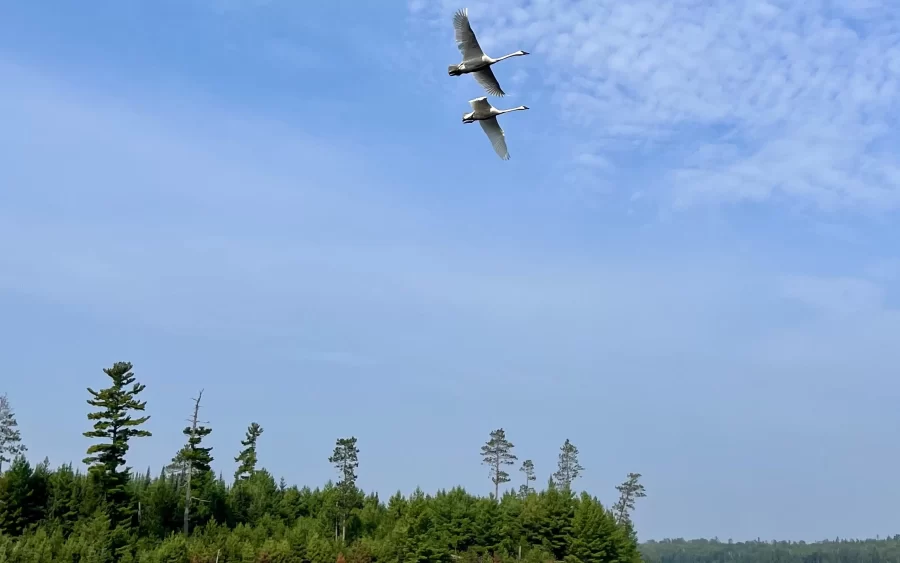
Embark on an unforgettable journey into the heart of Minnesota’s wilderness, where the vibrant sounds of nature awaken your senses. With an extensive range of bird species and breathtaking landscapes, birding in Voyageurs National Park promises an adventure like no other.
Prepare for an immersive experience as you navigate through pristine waters and lush forests. As you explore, keep your binoculars ready for an array of birds that call this sanctuary home.
The unique combination of boreal forests, open water, and wetlands means that birders can witness a variety of species in their natural habitats. Each season brings its own highlights, allowing for year-round birding adventures.
Spring is particularly enchanting, as many migratory birds return to nest in the park. The vibrant chorus of birdsong fills the air, creating a lively backdrop to your explorations. Summer offers opportunities to observe nesting behaviors, while fall presents the spectacle of migration as birds prepare for their journeys south. Even winter holds its own charm, with resident species that thrive in the snowy landscape.
When it comes to lodging, consider choosing a location that not only provides comfort but also enhances your birding experience. Look for accommodations that are situated near key birding hotspots, allowing you to maximize your time observing wildlife. Eco-friendly options abound, ensuring that your stay is both enjoyable and sustainable.
Joining a guided tour can further enrich your birding experience. Knowledgeable guides can lead you to the best viewing spots and share fascinating insights about the birds and their habitats. This is especially beneficial for newcomers, as it enhances both identification skills and appreciation for the environment.
As you prepare for your trip, consider bringing essential gear such as binoculars, a field guide, and a camera. These tools will enhance your birding experience, allowing you to observe and document the incredible wildlife around you. Remember to dress in layers and bring plenty of water and snacks to keep your energy levels up while you explore.
In summary, Voyageurs National Park offers a unique and rewarding birding experience. With its stunning natural beauty and diverse avian population, it’s a destination that should be on every bird lover’s list. So pack your bags, grab your binoculars, and get ready for an adventure in birding in Voyageurs National Park!


